Primary Chinese in Singapore: Teach Push and Pull as Two Different Actions
A Primary 1 pupil may know that two Chinese words have something to do with moving a door, yet still choose the wrong one in a short instruction. That is not the same as not knowing either word. It may mean the child has learnt a broad situation but has not attached each word to the right action. Practise this difference with 推 (tuī, push) and 拉 (lā, pull). One toy, two slips of paper and a few minutes at a table are enough.
Make the meaning visible before showing the characters
Put a small toy on the table in front of you. Push it gently away and say 推一下 (tuī yí xià, give it a push). Then pull the toy gently towards yourself and say 拉一下 (lā yí xià, give it a pull). Do not choose two different toys for the first round. If you always use a car for one action and a soft toy for the other, the pupil can respond by recognising the object rather than the action.
Ask the child to draw one arrow away from the person and another towards the person. Invite them to point while you demonstrate. Next, let them make a movement and you choose the matching arrow. If they perform an action before you finish speaking, pause and try again without showing the arrow. You want them to attend to the Mandarin word, not follow whoever moves first. In this tabletop set-up, away and towards are easy visual cues; they are not a rule about the direction every push or pull in the world has to take.
Show the two words together and test a new order
Write 推 and 拉 on separate cards of the same size. The left-hand component looks the same because both contain the hand radical 扌. That can be a clue that the words concern actions, but it cannot tell the child which action is meant. Ask them to point to what differs on the right, then match the full character to one of the movements. If they recognise the pinyin first, use it as a bridge. Then cover the pinyin and let them try the written character separately.
Move the cards after every response for a few turns. A learner who reliably taps the left card could simply be remembering where you put the answer. Try a different object next, such as an empty pencil box. Keep the verbs but change the noun. You can then check whether the child knows how to carry the meaning over to something they have not already seen moved.
Read a short instruction that does not give away the answer
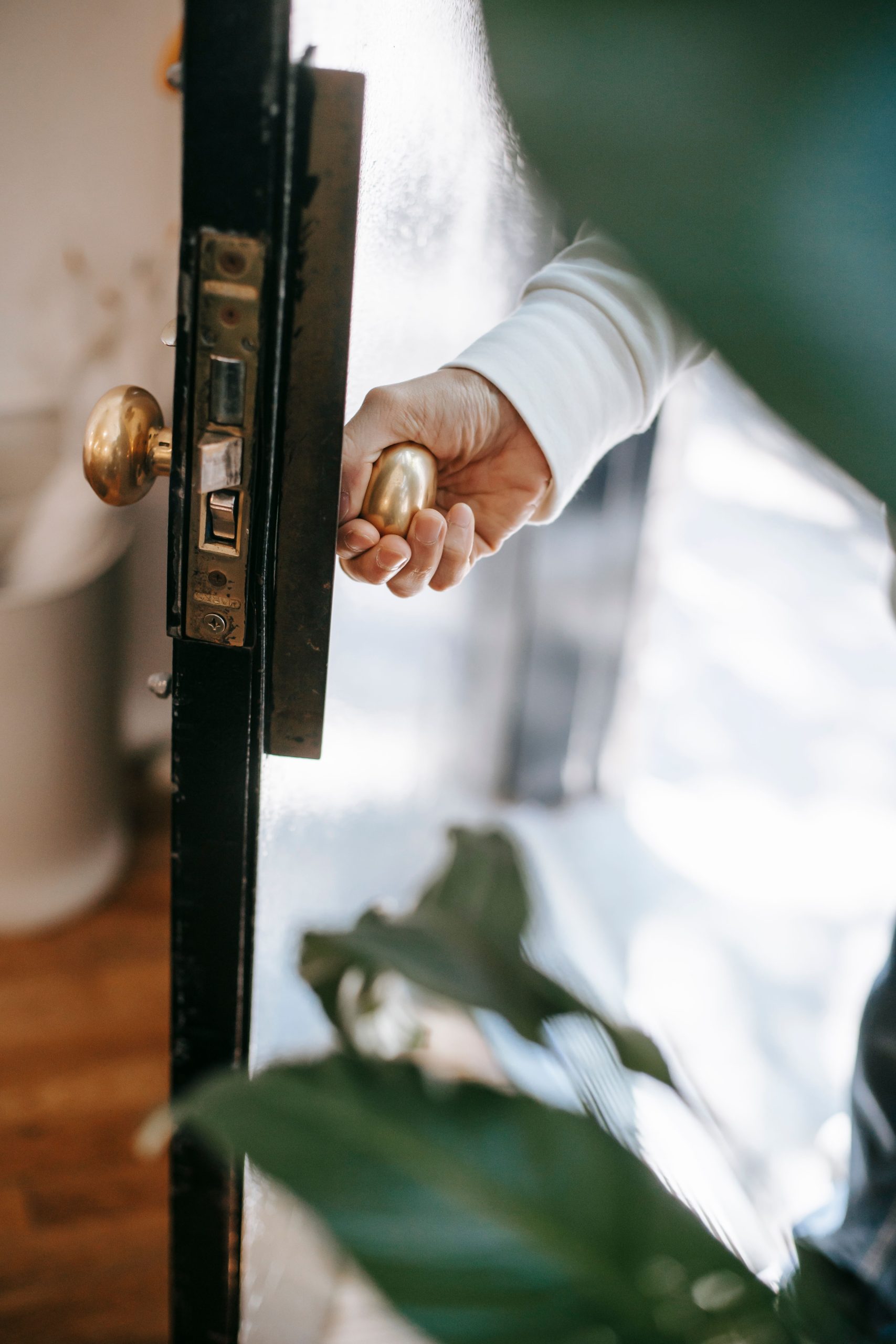
Write 请推盒子 (qǐng tuī hézi, please push the box) and 请拉盒子 (qǐng lā hézi, please pull the box). Point out that the surrounding words stay the same and only the action word changes. Have the child show the action with the box. A paper drawing of a door also works as a follow-up without asking the child to handle a heavy door. A child may associate a door with “open” and guess that both lines mean exactly the same thing. Ask them to underline the one character that tells them how.
Record the difficulty, not a score
On a note for next time, write “heard and understood”, “needed pinyin” or “recognised the character only in its usual position”. Those notes point to different next steps. If the child knows the spoken words but mixes up the shapes, start next time with printed cards. If the child reads the words correctly but acts out the same movement for both, return to the single toy and make the difference visible again. Test one new object a day later. The most useful result is not a perfect drill on the same cards, but a child who can read a new instruction and do the intended action.
If an adult is not confident about the sounds, ask the child to listen to a teacher’s recording or the pronunciation in their school materials. The adult can still set out the cards and watch which motion the pupil chooses.