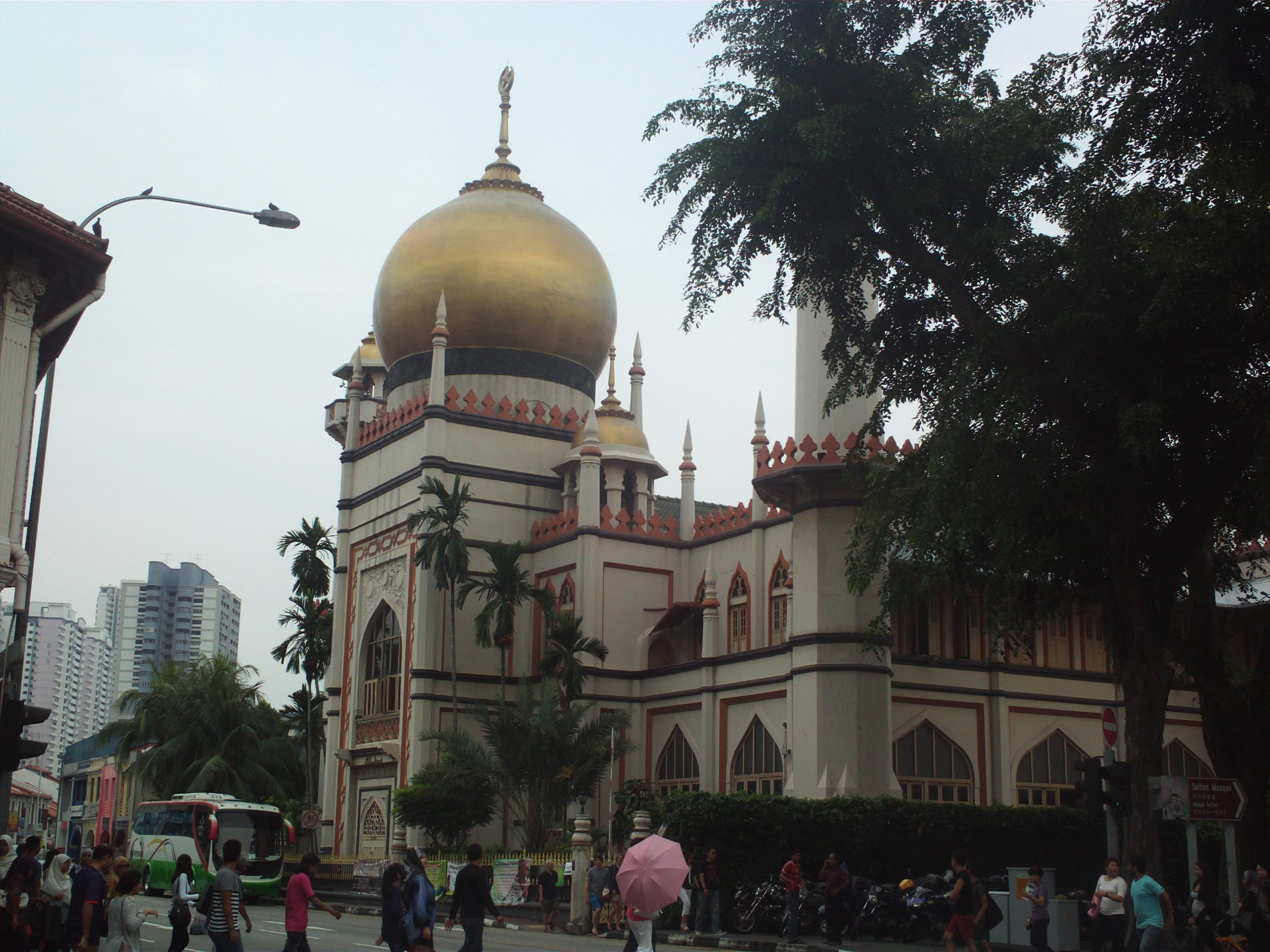
A photograph or virtual tour can help a child ask better questions about Sultan Mosque in Kampong Glam. The trick is to note what was actually shown, then decide what needs a guide, a caption or another view. A clear picture of one feature can answer a question about shape or position, but it cannot tell us everything about how worshippers use the building.
In September 2020, Qihua Primary pupils explored Sultan Mosque from a Woodlands classroom during a National Heritage Board trial. A mobile camera moved through the building with a guide, and pupils could zoom in and ask questions. That was a specific event, not a booking recommendation. Families can practise the same separation of seeing and asking with one published exterior photograph, without relying on the old virtual tour.
Begin outside with one exact observation
On an exterior image that clearly shows the building’s dome and towers, ask a pupil to point to one feature and describe its position. “The large dome rises above the roof” is an observation. “The dome has always looked exactly like this” is a claim about change over time, and this one picture cannot establish it. “The dome is visible from everywhere in Kampong Glam” also goes too far, because the photographer shows us only one line of sight.
Try covering part of the photograph. Ask what is now impossible to tell. If a tower disappears behind the covered area, is it missing from the building or missing from the view? This makes a common mistake easy to see. In the exercise book, the pupil can write “not visible from this angle” instead of “not there”. The two phrases make very different claims.
Give the guide a question a picture cannot answer
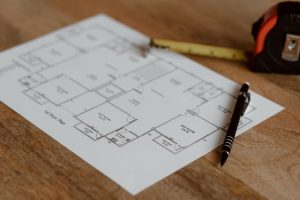
Suppose a pupil sees a doorway and wants to know where it leads. The question “What is beyond this entrance?” is more useful than “Tell me more about the mosque.” A guide could explain a connection the camera does not show. A floor plan with labelled spaces could answer a question about layout; an explanation from the mosque or a guide would be better for understanding what happens in a space and when.
For example, the 2020 account says pupils on the school tour looked at the ablution area. Ablution here refers to washing in preparation for prayer. A photograph might let someone identify features such as taps if they are visible. It does not show when people use the area, how they move through it or which rules apply to visitors. Those are separate questions. When writing up the exercise, identify whether the answer comes from the photograph, the guide’s account or something you are still trying to establish.
Write three lines that a classmate can check
Use a short record with three labels: “I saw”, “I want to find out”, and “This source could help”. One example is: “I saw a dome above the roof. I want to find out whether the mosque’s earliest building had the same roof shape. A dated picture of the earlier building or a heritage account describing the original design could help.” This gives the next reader a clear path from observation to research instead of presenting an unanswered question as a fact.
Next, swap records and ask each other to draw an arrow from the observation to the exact place in the photograph. If the arrow cannot be drawn because the statement actually comes from a caption, move the detail into the source column. Keep the original place name or caption with the notes so another reader can tell which building and view the exercise used.
Finish by explaining one thing the image shows and one thing it leaves out. You do not need to photograph worshippers, enter a private area or make assumptions about what you will be allowed to see. The learning outcome is to connect each statement to the kind of evidence that can support it, while treating a living place of worship with respect.