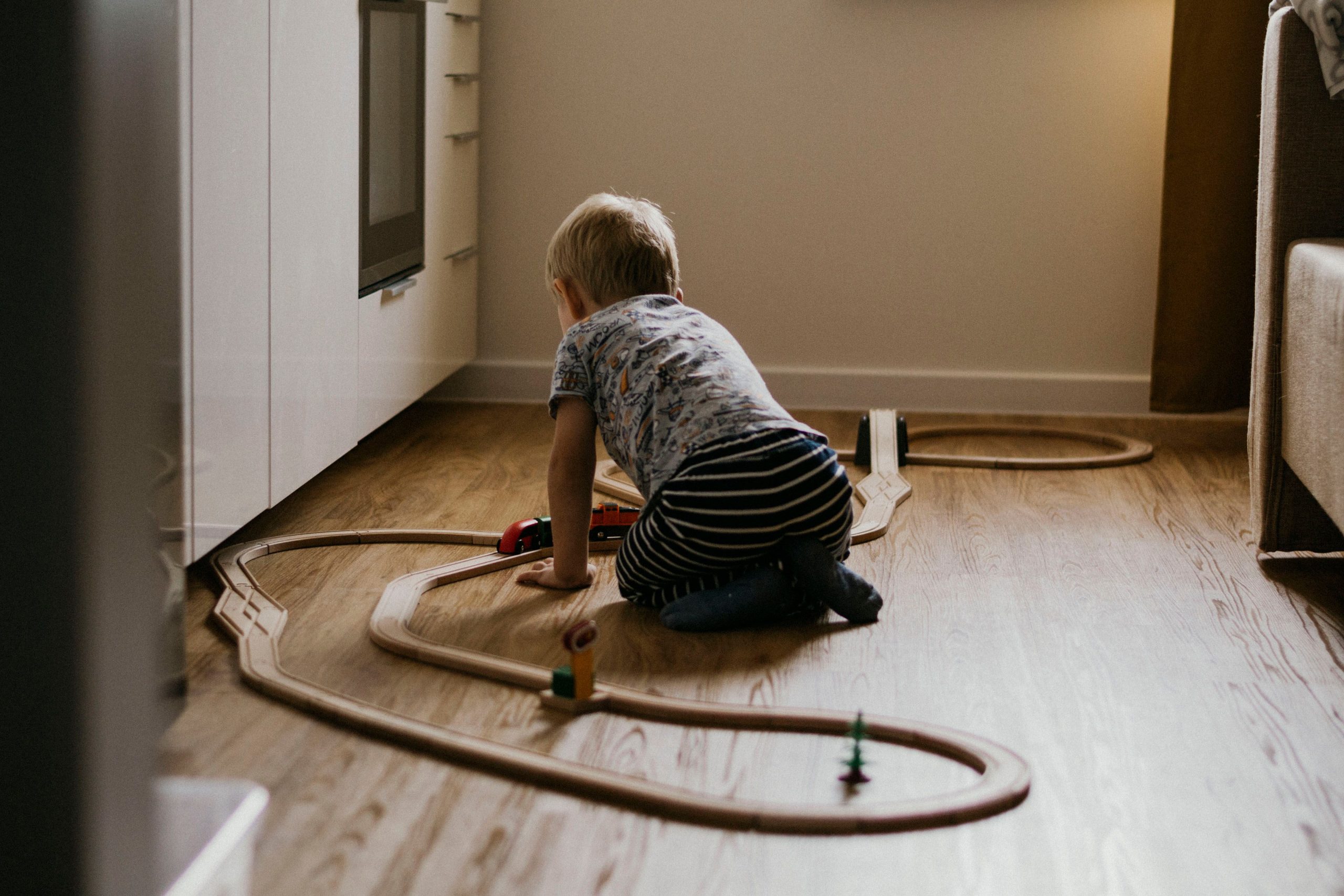
If your child enjoys playing with toy trains, try using Mandarin to tell the story of a journey they already want to play. You don’t have to replace the whole game with a lesson. Talk about one event at a time, give the child a chance to choose what happens next, and tell the short journey back together. The point is for the words to refer to something the child did, heard or saw, not for them to copy a long sentence before playing.
Choose words that fit what your child already does
A KiasuParents article about Mandarin suggested using children’s interests to create reasons to use the language and emphasised vocabulary in context rather than recognising individual characters alone. It was sponsored; this activity does not rely on its claims about development or attainment. Use a few phrases you can say or have checked with a teacher or fluent speaker. Two useful ideas in this play example are “first” and “after that”. If what you know is just a phrase for “the train stops”, you can work with that instead.
Suppose a Primary 1 child in Singapore builds three pretend MRT stations out of paper. They want the toy train to stop at one station to pick up a passenger before heading to a friend’s house. Let them decide the journey. As the toy stops, describe that event once in Mandarin if you can do so naturally. The child doesn’t need to repeat the line. When the train moves again, use a familiar connective, for example “然后” (after that) in a phrase you’re comfortable with. Tie the language to the moment, rather than leaving a word on a flashcard that doesn’t relate to the next part of the game.
Keep the conversation going even if the child answers differently
Ask one question the child can actually answer: “What happened after the passenger got on?” A child might move the train, answer in English or use a few Mandarin words. Recognise the answer, then model an available short phrase to reflect what they showed. If they said the train stopped again because a passenger forgot a bag, keep that idea instead of correcting them into a sentence about what you thought would happen. A real choice gives you something meaningful to say back.
Families don’t need to pretend they speak fluid Mandarin. Write down the event in the language you’re comfortable with, identify what you’d like to be able to say next time and check it with an appropriate resource or speaker. Don’t ask a child to treat you as the pronunciation standard if you’re both learning. Enjoy the story now and add one confirmed phrase later.
Change the story so you can tell whether the language carried over
On another day, reverse two events. Perhaps the passenger first gets off, then the train waits. Ask the child to arrange two drawings in the order their story happened. Pair a known expression such as “先” (first) with the drawing they chose. The order, not whether they can see an English translation, is what you’re checking. If they simply repeat yesterday’s events, let them enact today’s sequence again and invite them to describe a single part. Keep the distinction between needing a reminder about the story and not yet understanding the word.
Keep the phrase the child wants to use again
After the game, ask which phrase helped tell their story. Make a note of that line, together with a small picture or the action it accompanied. A later conversation about a family MRT trip may give the same phrase a different use, but there’s no need to teach on the platform or ask the child to perform for strangers. If the family’s next game is about building a tower or pretending to serve breakfast, use the same way of recalling what happened first and what happened next. Progress here is the child finding a new place to use a familiar expression, not completing a fixed number of words.