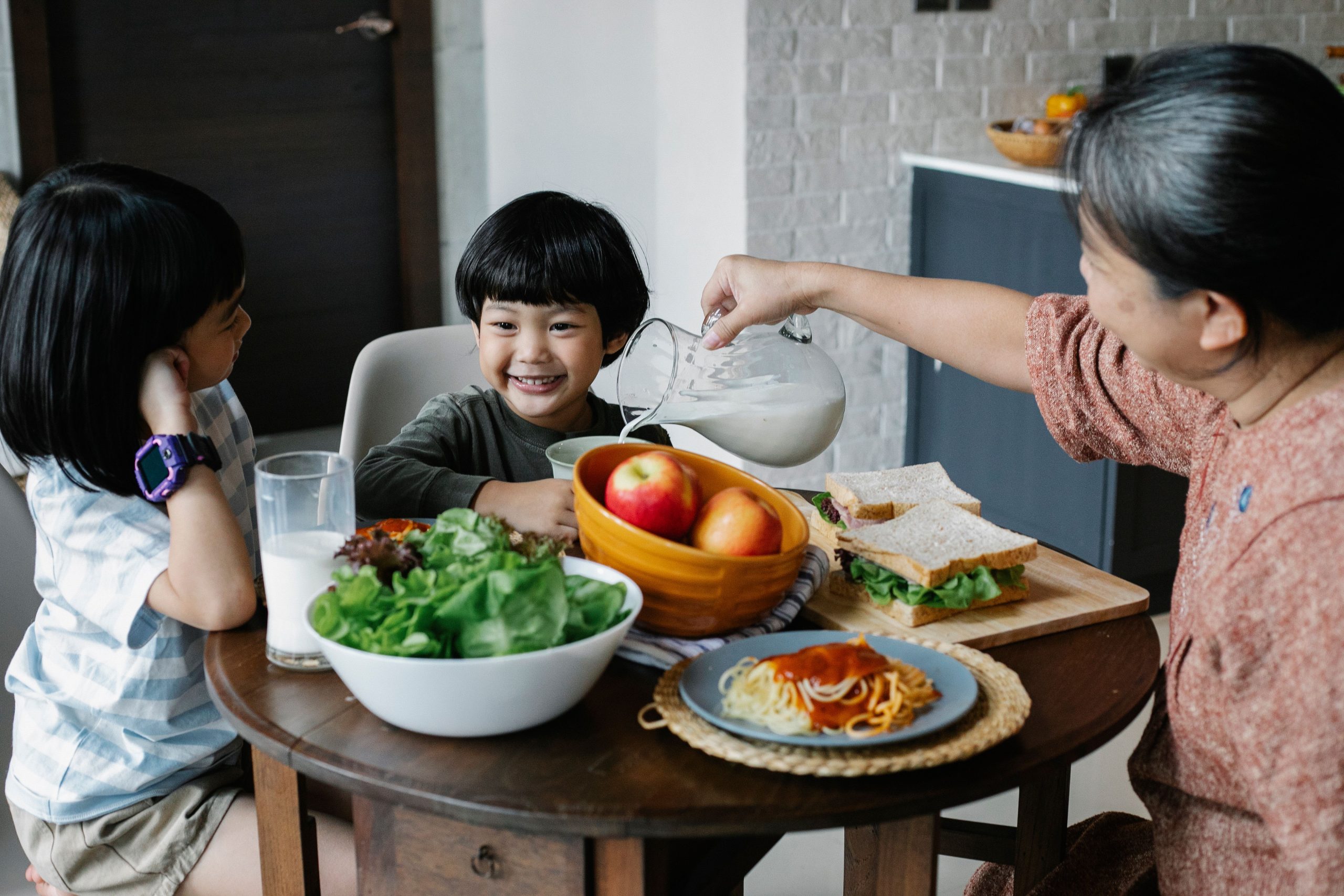
In a Singapore intergenerational language session, give both the older adult and the child something they can contribute. Instead of asking the older person to say a list of dialect words while the child repeats them, put one everyday object between them. Let the older adult choose a word they use for it or a situation in which they would use it. Then let the child contribute something in return: a drawing, a word in another language they know or a question that helps the other person tell a story.
Start from a shared object, not a vocabulary competition
The Straits Times reported in 2024 that kindergarten children from My First Skool took part in dialect sessions with seniors at a nearby Serangoon day care centre. The story described seniors teaching greetings and counting in languages including Hokkien, Teochew and Cantonese. It also included a child offering to teach Mandarin back. Treat that as an example of two people bringing different knowledge, not as a current invitation to visit the centre or proof that all older people speak any one language.
Imagine that an educator brings a clean cloth bag for a small group to discuss. One older participant remembers carrying a bag to the market. A child uses a bag to collect craft materials. Ask whether the adult wants to share what they call the bag or tell one thing they might put inside. You don’t need a photo of their home or an account of their childhood. The interaction can begin with the object already on the table.
Give each person room to ask and to answer
Let the child point to the bag or an illustrated item while the older participant speaks. The child may want to try saying the word, but they can also ask when the adult usually uses it or show what they would put inside. Then reverse the invitation: can the child teach the older participant a word or show their own way of sorting the items? A person may want to point, draw or demonstrate rather than speak. Wait for their response instead of assuming a pause means they want you to answer.
If a child says they know a different word, make some room for both. Ask whether one is a language they use at home, or a word for a different type of bag. Don’t grade one version against the other. Ask a speaker to confirm the word they personally use and leave uncertainty visible. A generic spelling from an online search cannot show every family’s pronunciation, and you don’t need to standardise it for a short exchange.
Ask before making a record
A drawing of the bag and a note about when the word was used may be enough. If students want to record someone pronouncing it, check the organiser’s rules and ask the participant with a clear explanation of who would hear it. A recording for the class is not the same as a clip for public social media. If someone doesn’t want to record, keep going without it. You can write “we heard a family expression used when packing for the market” without identifying the speaker or pretending the expression was confirmed across Singapore.
Keep the group small enough that contributors can see and hear one another in the setting they choose. If a room is busy, ask the educator or centre staff whether the group can pause or move to an approved quieter spot. The aim is an exchange, not a performance for an audience.
End with one thing each person gave to the conversation
Close by asking what the child learned and what the older participant noticed. In the bag example, the child may remember that the older adult distinguishes a shopping bag from a small cloth pouch, while the older adult now knows the child’s way of grouping craft pieces. If both want a next session, choose another safe everyday object together. What matters is that both could shape the exchange, not how many new words they could repeat at the end.