Show just enough of the neighbourhood to guide the next page turn
A school illustration club tells a story about a child looking for a missing sketchbook near an HDB block. One drawing is packed with bicycles, signs and windows, but a reader can’t tell which path the character takes next. The aim isn’t to erase the details that make a place feel familiar. It’s to choose one detail that helps the reader move through the scene. The Straits Times covered Nanyang Academy of Fine Arts students who gathered visual references in Jurong and Aljunied for a children’s book. This separate activity asks school illustrators to test a two-page sequence without reproducing the published example.
Choose a reference that doesn’t identify a private place
Use an approved photograph, an observation sketch or a school-built model. There is no need to photograph a real front door, flat number, neighbour or school pupil. A drawing of a walkway, an umbrella stand and a lift landing can suggest a recognisable Singapore setting without identifying a particular household. If using someone else’s image, make sure your teacher has confirmed what can be studied and what may be copied or publicly shown. Attractive results from an image search should not become the club’s background artwork by default.
Write down two things you know and one thing you are inventing. A lift landing may have a wall on one side and a rail opposite. A bright bag hanging near an imaginary noticeboard is the story’s invention. Your caption and artwork do not need to attribute an invented feature to a real block or school. That separation also makes it easier to change the fictional spot when a reader gets confused.
Make two rough versions of the same page turn
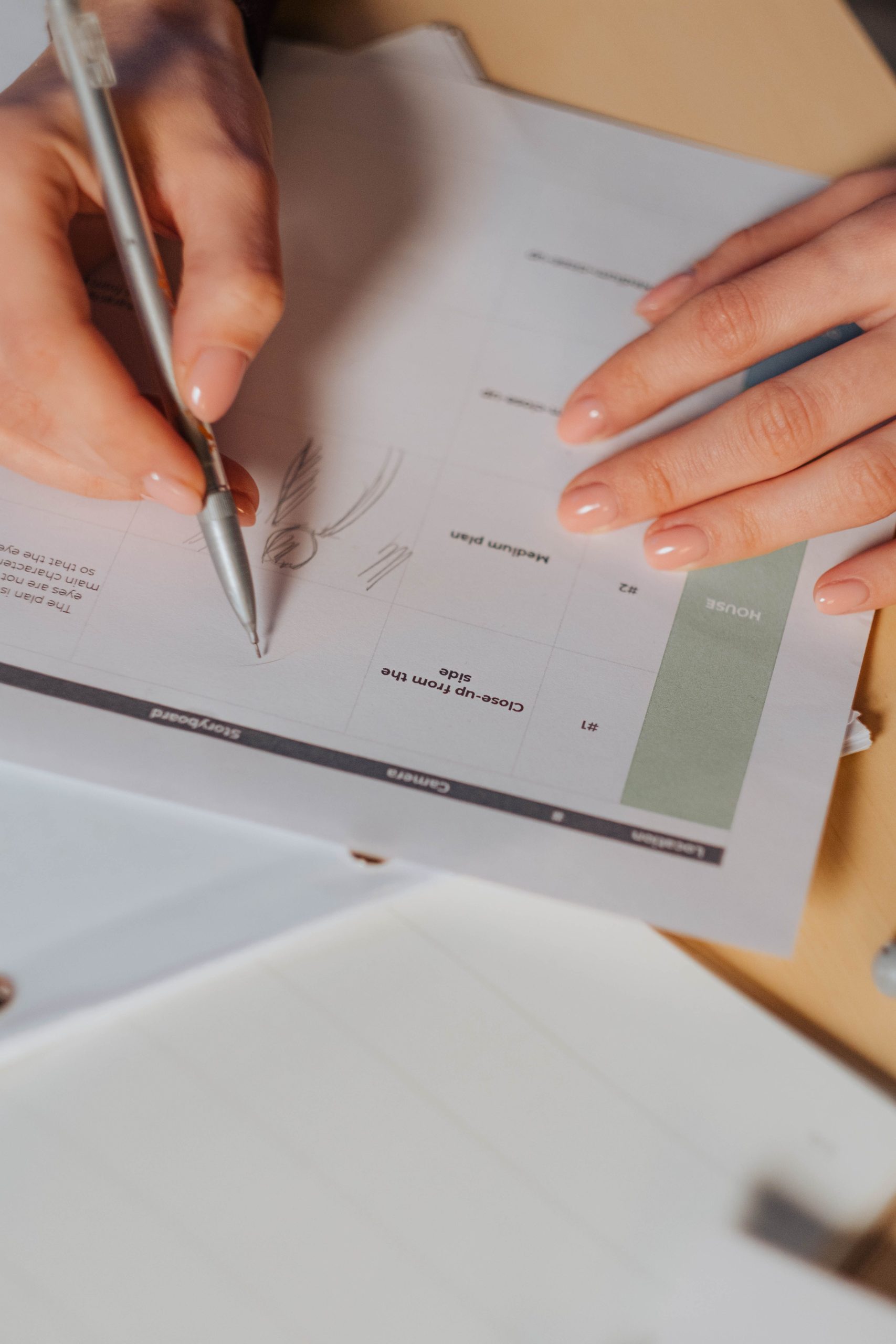
In the first version, page one shows the character searching while the bag sits near the image’s far edge. On page two, the character moves towards the nearby landmark. In the second version, keep the writing, page size and order the same, but move the important bag or change the direction the character looks. Don’t colour the whole scene yet. A pencil thumbnail with the intended place of one object is enough to see whether a reader notices it.
Use local details for a reason. A covered walkway can explain why the character stays dry on the way to a bench. An extra delivery bicycle that sends the reader toward the wrong corner may not earn its place. Have the illustrator and writer agree on whether the clue should be found before the turn or immediately after it. Both decisions can work; what matters is that the text does not insist the reader already knows something the artwork hasn’t shown.
Test with a reader who has not heard the story
Show page one and ask which way the character is likely to go. Let the student point, draw an arrow or explain. Then reveal page two and ask what made the movement make sense. If the reader follows a wall sign rather than the bag, check whether that was intended. A second reader can test the alternative version, making it less likely that remembering the first determines what they see next. Don’t assign a reading score or infer why an individual missed a detail.
Record one visual decision for your next scene
Keep the thumbnail, the exact detail you moved and a short explanation of what it changed. If children needed the writer to explain the direction, move the clue before adding another paragraph. If both readers found the object but entered at different sides, a consistent landmark may help more than a bigger label. When another club member takes over an illustration, describe which detail must remain recognisable and what may change. That small record preserves the local feel and gives the next artist freedom without losing the reader.