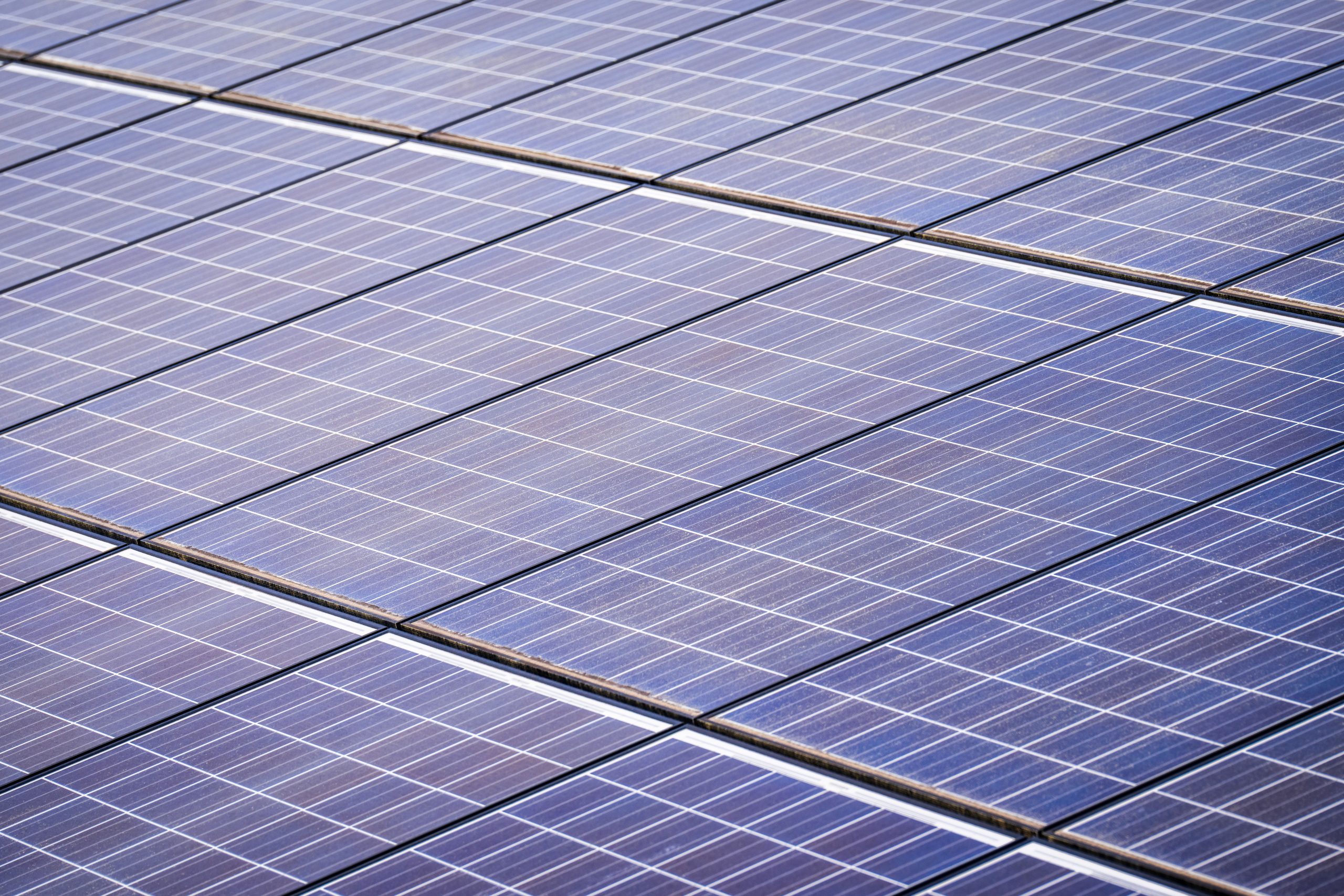
A solar-powered toy car runs near a sunny window, then stops as it rolls into a shadow. Is the car broken, or has something about its energy supply changed? In a Singapore classroom or flat, patches of sun can move quickly as clouds pass or the window frame casts a shadow. A simple solar panel shade experiment makes that moment useful. Instead of asking children to build a car from scratch, use a small educational solar motor kit on a table and see what happens when the panel is briefly covered and uncovered.
Test the light supply first, not the whole vehicle
Use a commercially made low-voltage classroom kit with a small solar panel and an enclosed or guarded moving indicator, such as a protected fan or a visible motor disc. An adult should follow the kit instructions and keep fingers, hair and loose paper away from moving parts. There is no need for mains electricity, rewiring or a separate battery. If the moving part cannot be safely observed, do this as a teacher demonstration or ask the child to interpret sample records instead. The purpose is to see whether the motor starts and continues, not to measure how fast exposed blades spin.
Put the panel on a stable table where it receives enough daylight for the motor to run. Keep the motor itself in the same place throughout. If using a window with changing light, work quickly and notice whether the light changes during any run. Do not hold the panel outside an open window or look at the sun. Once the motor is running steadily, mark the panel’s position on the table with paper tape. That lets the group notice if the panel moves while someone is placing the card.
Cover and uncover without touching the panel
Make a three-column record: condition, motor response and anything else noticed. Start with the panel uncovered. Observe for five seconds and record whether the motor starts and stays moving. Hold a piece of opaque card between the light and the entire panel without touching the panel or blocking the moving part. Watch for another five seconds. Then remove the card, still keeping the panel angle unchanged, and observe whether the motor restarts. Repeat the uncovered, covered and uncovered sequence once more if the daylight remains steady.
For a practice record, imagine the motor runs with the panel uncovered, slows briefly after the card is placed, stops, and starts again on uncovering. This pattern is consistent with the panel needing enough incoming light to supply electricity to the motor. A brief delay before the motor stops does not mean the card failed. A moving part can continue turning briefly after the supply drops. If the motor also stops while uncovered, check for changing light, a loose connection or a panel angle that did not stay fixed. Record that result rather than reporting only the trial that matched your prediction.
Make a second question, not a bigger claim
Once your group can repeat the cover-and-uncover result, try a new question: what happens when a card shades only part of the panel? Start each trial from a running motor and use a fixed card position. You may find that a small patch of shade changes little, or that the motor stops even when part of the panel still receives light. The outcome can depend on the panel and the kit, so do not infer a universal rule such as “half the panel means half the speed”. Without measuring power and speed, you cannot draw that numerical conclusion.
End by asking your child to explain why the test was done on a stationary kit before trying a vehicle. A car that fails to move might have a sticking wheel, a rough surface or a problem with the light supply. By observing the same stationary motor as only the panel’s light changes, you remove several alternative explanations. If you later test the car, keep the surface, wheels and starting position unchanged and compare the result with what you learned at the table.