Help your Primary 3 child compare two CCAs without picking for them
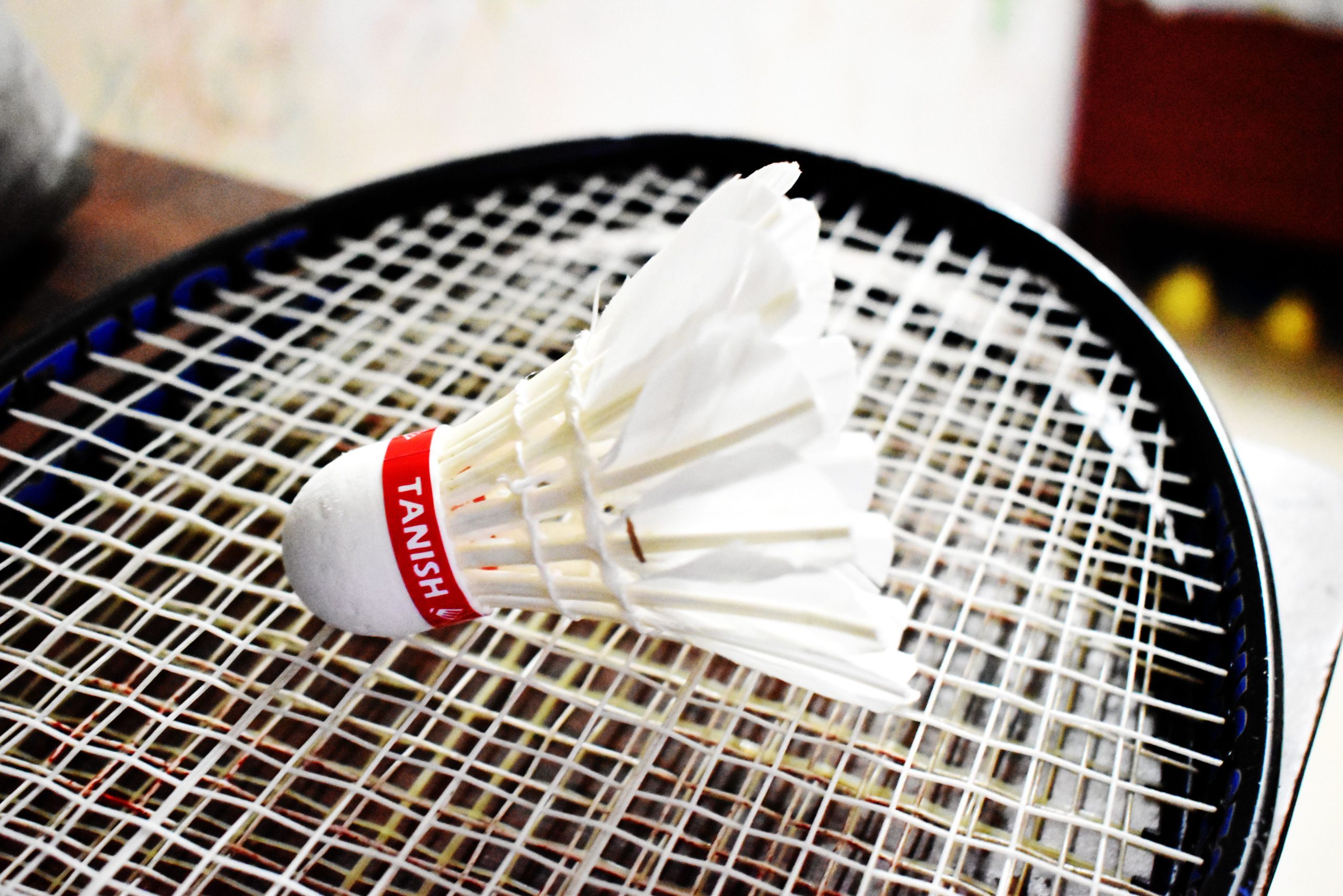
A child can enjoy hitting a shuttlecock on Saturday and still prefer drawing in a quiet group after class. That is not a contradiction: the kind of practice, how many people are involved and whether the child wants to try again matter alongside the name of a co-curricular activity. KiasuParents’ guide to primary school CCAs covers interest, family commitments and the value of letting children have a say. This plan turns those considerations into two small observations before you rank your child’s options. It doesn’t require trial fees, new gear or an admissions goal.
Get the school’s current options, then let your child pick two
Use the school’s information for your child’s level, not a list from an older sibling’s year. Confirm what counts as a taster and whether your child may attend one. If they are interested in badminton and art, pick those two. If they dislike both, don’t make them choose between them simply because you can organise practice at home. A parent can reserve judgement long enough to ask what the child wants to see, do or ask at the session.
Write one plain question for each activity. For a sports CCA: “When I have to wait for a turn, do I want to watch what the other players are doing?” For an art group: “When my first drawing doesn’t work, do I want to try a different way or move on?” These questions aren’t measures of talent. They show what parts of an ordinary practice day the child is prepared to repeat.
Look past the fun or frustration of the first ten minutes
If the school has authorised tasters, let the school handle how children participate. If not, choose two low-pressure examples that offer a glimpse without pretending to reproduce the programme. You could look at a school-approved video of a group rehearsal, borrow a safe activity from a teacher or model what waiting and watching might be like. Avoid drawing conclusions from a private lesson or a family session alone. Enjoying a small group at home doesn’t tell you everything about the multipurpose hall after the last bell.
After each experience, invite your child to describe one moment worth keeping. “I wanted to see how my partner hit it” is more informative than an overall rating. Also ask what part was difficult in a way that could change. Noise, unfamiliar staff and not knowing where to stand may ease with clear guidance. Disliking the activity itself is a different issue. An enthusiastic parent can capture those facts without converting a child’s tentative “maybe” into a commitment.
Try the actual after-school routine on paper
Draw two short timelines from school dismissal to dinner, one for each option you are considering. Add any confirmed waiting time, transport, student care or pickup arrangement. Mark uncertain items and ask the school about them rather than assuming days and commitments are the same across different CCAs. Consider what the child would need after a long day: somewhere to put equipment, time to eat or an adult who knows where pickup has moved. Check what the school supplies before buying anything.
If one activity fits easily and one would clash with an existing arrangement, tell the child the constraint without asking them to solve it privately. Ask whether they would still want the option if it met on that day. If there is no feasible solution now, keep the interest separate from the offer. Choosing a different school activity this term need not mean giving up an interest permanently.
Make one provisional decision and check it again
Before submitting preferences, let your child say a first choice and a reason in their own words. Keep one question for the teacher, such as what beginners usually do in the first few sessions. If the school allocates another option, ask how to learn more about it without promising a transfer. A useful family decision records what your child wants to try and what you still need to verify, rather than predicting whether they will win at it.