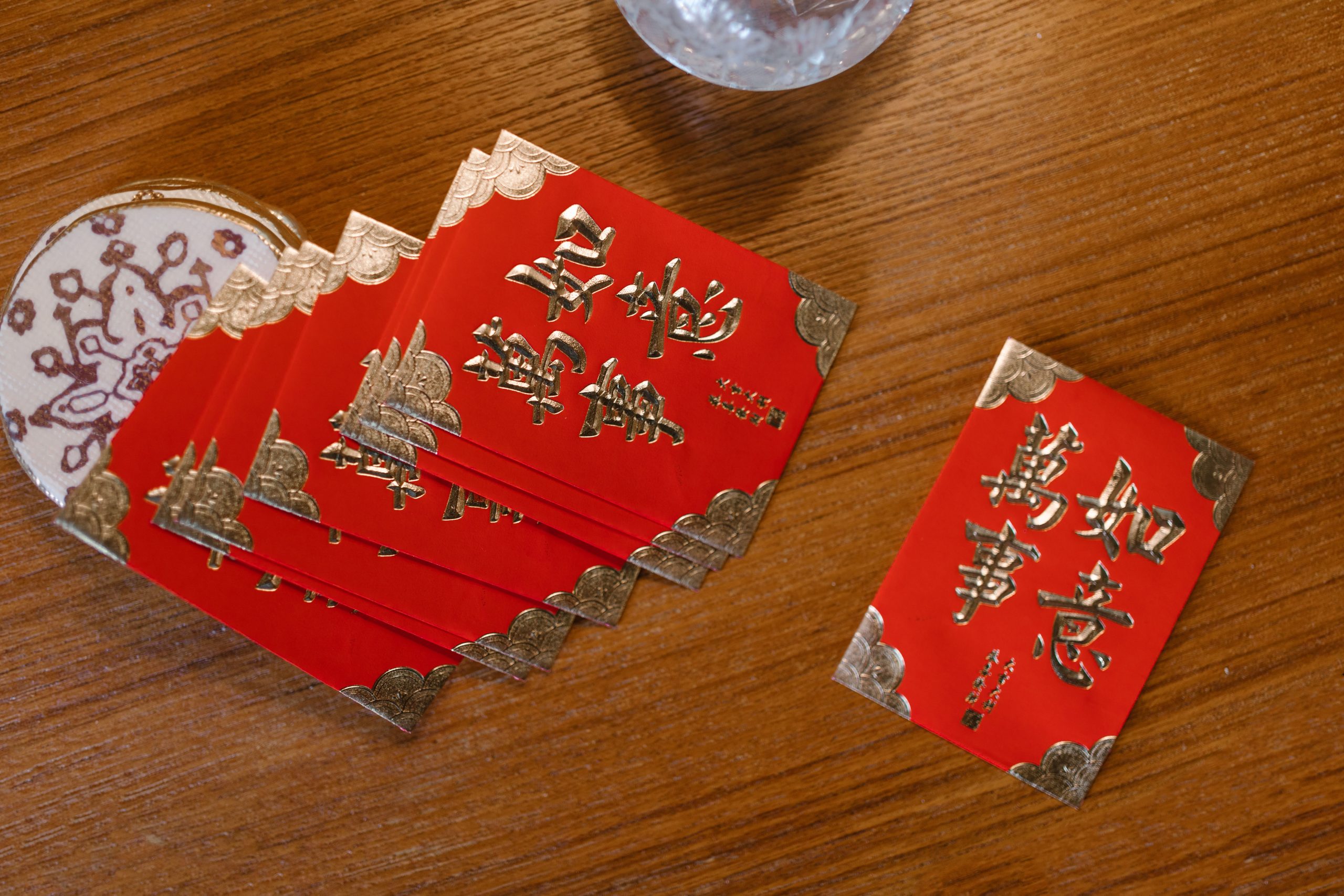
Check the destination of festive packets before putting out a collection box
A Singapore school eco club can make a bright sign for used hongbao and green packets, but the sign does not answer the most important question: what will happen after the packets are collected? The Straits Times reported that students at St Andrew’s Secondary organised festive packet recycling as part of broader sustainability efforts. This exercise starts with a different task. Use three pretend packets to trace what the club can collect, who makes an exception decision and where the material actually goes. The goal is not to compete for the largest pile.
Ask who agrees to receive the material
Bring the idea to your supervising teacher and whoever manages collections at the school. Check with that adult whether a confirmed recipient will take the packets, what materials it accepts and whether the school can store them safely until collection. A foil-covered envelope and a plain paper envelope may look similar from across the room. Do not claim both can go into the same stream because a scheme at another site once accepted them. If there is no confirmed recipient, don’t publicise a collection. The club can still practise with blank scrap-paper models.
Ask what students may and may not inspect. You do not need to handle used packets to teach the process. Work with pictures of three fictional examples: a flat paper packet, a shiny one and one shown closed. Then write what each status means on a key checked by staff: accepted if confirmed, uncertain, or return to the owner. Don’t ask students to open other people’s envelopes or handle leftover money or personal details. Use the school’s adult-led procedure if somebody brings a closed or unusual item.
Give each handover a status you can read back
On a paper-only trial, pretend the next shift sees one open box and one sealed box. Can they tell whether either contains checked material? Give the sealed box no label at first and see what the next person assumes. Put a short, staff-approved status on the mock box: “checked for confirmed collection”, “awaiting adult check” or “not part of collection”. Do not put names of donors on the outside. Choose words readable without relying on a green sticker alone, and tell the next person where the approved list is kept.
Agree who stops a collection when storage is full, the receiver can’t come or a different type of envelope appears. A pupil shouldn’t have to promise to take more because someone travelled to drop a packet off. Adult confirmation comes first. On the paper plan, choose one simple phrase a student can use to redirect a question without inventing an answer. Try handing the phrase to another member, then ask where they would actually find the adult responsible.
Test the sign with a person who made none of the rules
Ask a classmate to bring a pretend shiny envelope when the approved list names only one clearly accepted material. They get no explanation. Can they tell whether to leave it, take it back or ask a staff member? If they treat “festive packets” as blanket acceptance, make the limit more prominent. If a Malay or Mandarin translation seems useful for the school audience, ask the supervising team to check it against the same list. Signs should explain accepted items without implying that every family celebrates or participates.
Close the loop without counting people
After a school-approved effort, record what the adult confirmed went onward, what was not accepted and what you would change. A larger total is not proof that the process worked; the important part is whether accepted items reached the intended collection path and unclear items were kept out. If everything stayed on paper, record which instruction needed changing and rerun that role. Hand the next club group the verified date and decision, not a claim that the same recycling rules will apply next year.