A child looking at a Primary 1 picture graph may say bananas are the most common fruit because the banana drawings are the biggest. Another may spot the longest row, but count its label as one more fruit. Both mistakes are easier to see when the graph starts as a basket your child can count. This simple Singapore home maths activity turns an imaginary fruit-stall order into a picture graph. It focuses on one useful idea: a picture stands for an item because the key says so, not because it is big, bright or drawn in the right shape.
Decide together what one picture will mean
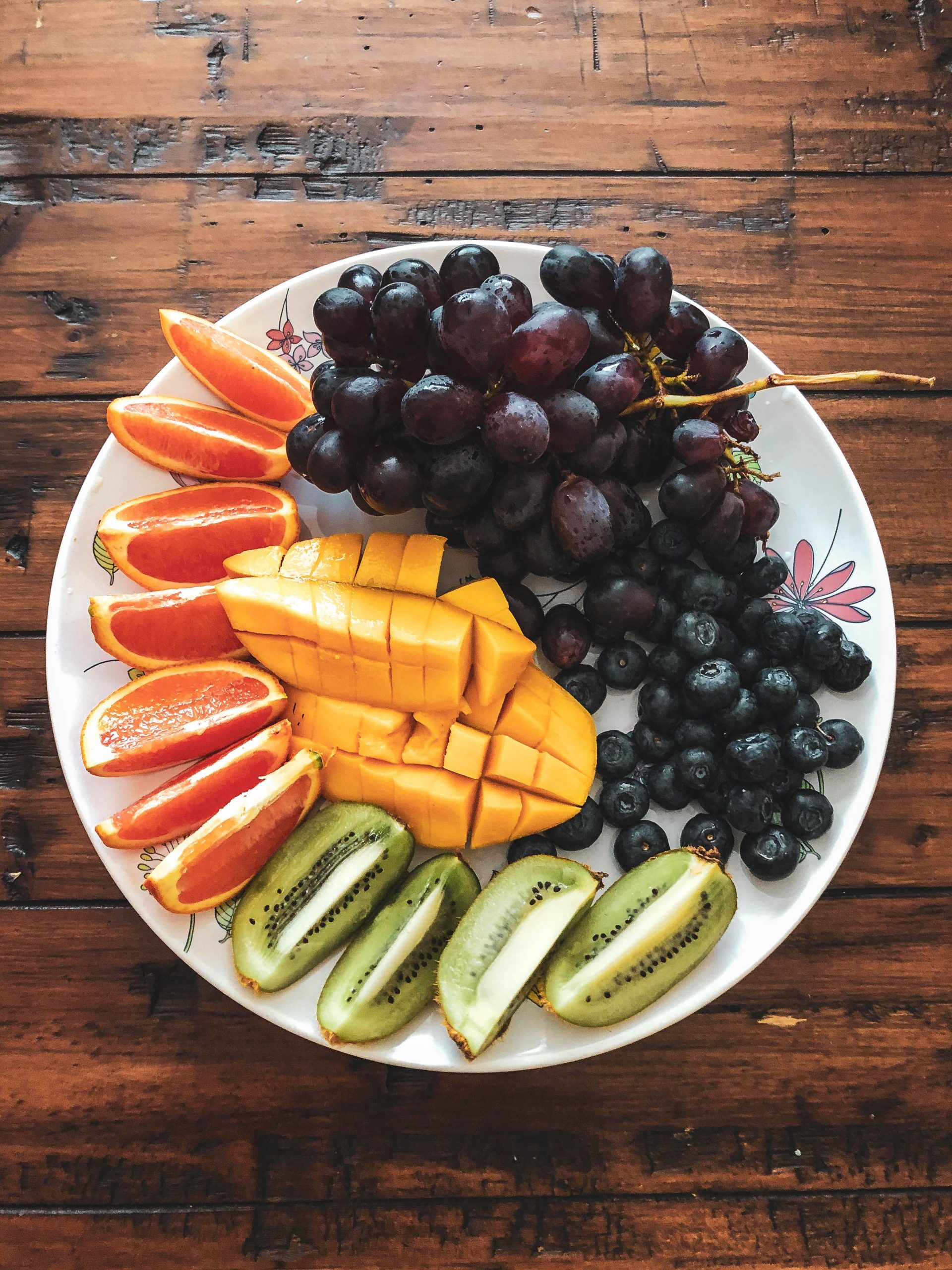
Use paper and a pencil, or gather ten small paper squares to move around before drawing. Start with a made-up order from a neighbourhood fruit stall: five oranges, three apples and two bananas. Write the fruit names on the left of a sheet of paper in three rows. Under the title, write a key: “One circle stands for one piece of fruit.” Use circles in every row so the child has to use the label to tell which fruit the row represents. If you use real fruit to get started, agree whether you are counting individual bananas or whole bunches. Do not change that decision halfway down the page.
Ask your child to place five paper squares in the orange row, three in the apple row and two in the banana row. Use the same-sized spaces and begin all three rows at the same vertical line. Then copy the squares as circles. Pause beside the label and ask where the first circle goes. The word “Oranges” tells you what the row is about, but it is not another orange. If the child wants to draw individual fruits instead of circles, place each drawing inside the same-sized box so a very long banana sketch cannot make its row look longer by accident.
Read three answers from the same graph
Begin with “How many apples are in the order?” Ask the child to show the apple row, touch each circle once and say three apples. Next ask “Which fruit has the greatest number of pieces?” The expected answer is oranges. To explain it, the child should be able to point to the row or compare the counts, rather than say oranges look bigger. Finally ask “How many more oranges than bananas are there?” Pair the first orange circle with the first banana circle, and do the same for the second pair. Three orange circles are left unmatched, so there are three more oranges. The answer to “how many more” is not the longest row’s total.
If the numbers are correct but the reasoning is unclear, redraw the banana row with the two symbols far apart. It might now stretch past the orange row. Ask whether the order contains extra bananas or whether the artist has only changed the gaps. Let the child repair the drawing by putting one symbol in each equal space. This is a practical reason to align a picture graph, not a rule about making homework neat.
Change one number and see what else changes
Announce that the stall adds two apples to the order. Ask the child to update the apple row without redrawing the orange and banana rows. Now oranges and apples each have five circles. If someone asks which fruit has the greatest number, the graph gives a tie, not a single winner. Later try the reverse: ask what must be added if the banana row is to reach the same count as the oranges. Moving or drawing three more circles makes the answer visible without guessing.
To finish, ask your child to give the graph to someone who did not make it. Can that person tell what the rows represent and what one circle means without an explanation? If not, improve one label or the key and try again. The aim is a graph someone else can read, not a finished page with the prettiest fruit drawings.