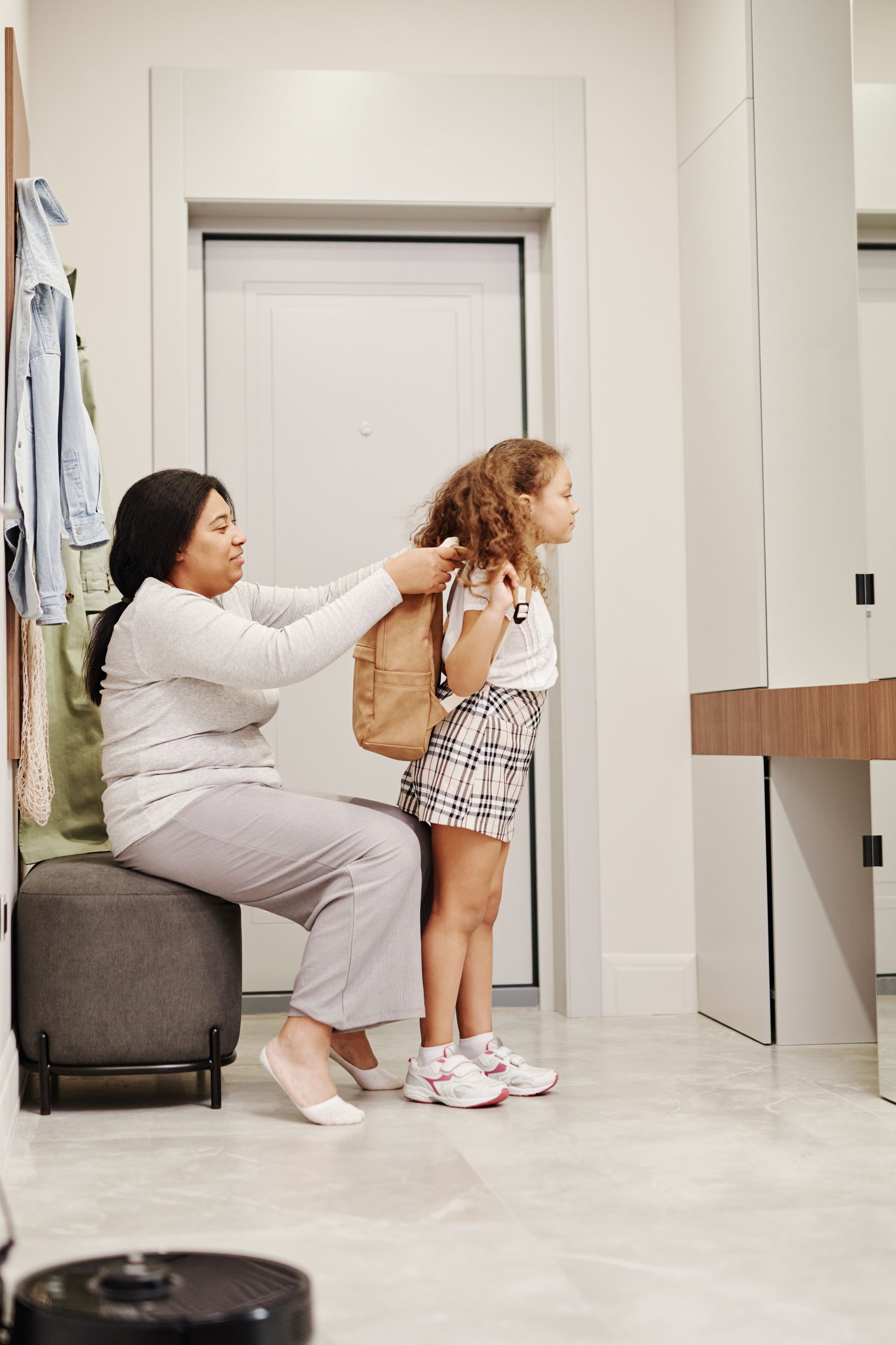
A Punggol family has a child entering Primary 1 and another going into Primary 4. A calendar reminder says “school starts Monday”, so both bags are by the front door. In Singapore’s 2027 calendar, however, the pupils in those two primary levels start on different days. The family does not need two complicated schedules. It needs to attach each school instruction to the right child and make sure someone has a real plan for the time when only one sibling is in school.
Put the year and level beside every start date
The Straits Times reported the Ministry of Education’s calendar: for the 2027 school year, Primary 1 pupils begin on Monday, 4 January, while Primary 2 to 6 pupils begin on Tuesday, 5 January. Oasis Primary School’s published calendar confirms the same distinction. Those dates apply to that year and those levels. Do not infer the pattern for a different year, an international school or a child moving into a different type of programme. Open your actual school notice when deciding who reports and when.
Give each child a line on the family calendar with their level, date, school and contact. Then read the school-specific arrangement for reporting time, entrance and expected dismissal. A national term start date does not tell a new pupil which gate to use or whether their first-day dismissal differs from normal. Keep separate entries for orientation and the first school day if the school has both. A family member should be able to tell which entry involves the child attending and which, if any, asks an adult to attend.
Turn Monday and Tuesday into two different handovers
On Monday in this example, the younger child goes to school. The older child is not due to report yet. If the adult taking the Primary 1 child usually supervises both children in the morning, arrange who will be with the older child and at what time. It is easy to spend all your attention on the child starting school and overlook who is responsible for the one at home. Write the daytime plan beside the drop-off plan, then check whether collecting the younger child clashes with the adult’s work or care arrangements.
On Tuesday, both children have school. Test whether one adult can arrive at the right places with the time available. If the children attend different schools, compare the route in both directions rather than assuming the first trip works in reverse at dismissal. If they attend the same school, do not assume their reporting or release points are the same. Confirm whichever items the school has specified separately, especially where a caregiver joining on day two did not take part on day one.
Check start dates for transport and care on their own
Ask the school or the operator to confirm when transport starts for each pupil. The first date in a school calendar is not a booking confirmation. If you expect after-school care to cover a day when an older sibling is not yet in school, ask the centre directly whether that day is included and what its hours are. Leave an unconfirmed item marked as such and set a time to resolve it. Do not give a child two mutually exclusive instructions and expect them to decide at the gate.
Read the plan aloud the night before each start
Use one sentence per child: “You go tomorrow, your bag is here, and Auntie Mei will collect you at the place the school told us.” For the sibling at home, explain who is with them and when their own school day begins. A simple check is to ask the adult who did not make the calendar to describe Monday and Tuesday without prompting. If they send both children on Monday in the rehearsal, change the labels rather than repeating the same explanation. The first week starts well when everyone knows where they are expected, not when one generic reminder says school has started.