Give the showcase a running order that can survive one change
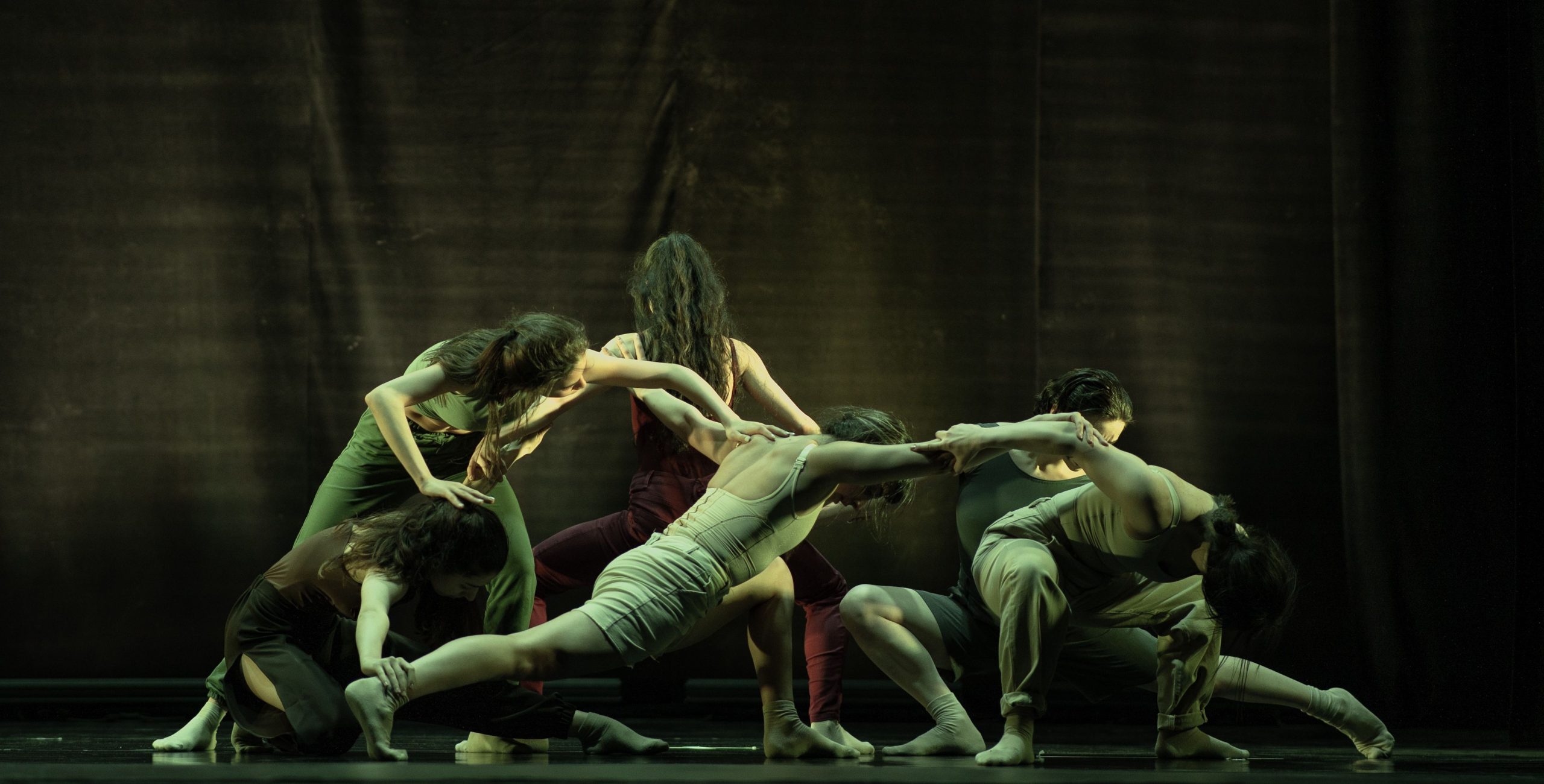
If a junior college dance CCA withdraws from a shared showcase, the obvious change is to remove one act from the list. The less obvious work starts after that: the next group needs a new call time, the stage crew must know which track comes next, and the emcee may need to change a line without telling the audience why someone pulled out. The Straits Times documented student organisers navigating pullouts and rearranging the programme for a 2025 JC dance showcase planned at Our Tampines Hub. This rehearsal plan is for students testing a smaller, school-approved event. It does not describe how those organisers actually ran their stage.
Make one sheet for the jobs that depend on each other
List the act identifier, estimated length, where that group waits, the music cue, and whether it needs a floor or prop check. Mark each entry confirmed or provisional. If a name or track is liable to change, identify the act with a short label that stays the same across drafts. A label such as “JC group B” for the rehearsal is more useful than relying on row numbers, which change whenever someone inserts a section. Show performers only the information they need, and keep any personal contacts under the supervising teacher’s plan.
Next, agree on who can release a new version. In a small rehearsal, one student can update the internal sheet, a teacher or designated adult can approve any venue or safety change, and one stage contact can pass the approved version to the right roles. Don’t ask every group to edit its own copy. Put a version and time on each sheet so the sound desk and stage contact can tell whether they are looking at the same plan without opening a long message thread.
Rehearse a missing act with no dancing
Give a rehearsal coordinator an imaginary scenario: group B cannot perform its planned slot. The next group has a larger cast and isn’t ready to move into the waiting area yet. Without running tracks or moving equipment, ask the coordinator to point to what would be affected. The correct answer might be to hold the existing order briefly or use an already approved short transition, not to move the next available act straight onto the stage. A ten-minute tabletop exercise can reveal that two groups thought they should wait at the same door.
Check three dependencies. First, after the missing act, who will tell the new next group when to report? Second, what tells the sound desk to stop looking for the missing file? Third, who confirms the stage is clear before the next group is called? These questions belong to different roles, even if the same person can answer two in a school hall. If the venue uses its own stage-management procedures, use its chain of command and run the paper exercise separately with staff permission.
Ask the next group to read the change back
Instead of broadcasting “the schedule has changed”, send the verified difference through the school-approved channel. For example: “Group C is still on next; report to the same waiting point only after the stage contact calls.” Have the designated group representative confirm the waiting point and cue. Give the emcee a separate approved line that does not identify why an act did not go on. If both the audience programme and internal working order exist, label them separately so nobody treats an old printed programme as the backstage trigger.
Decide what should stay stable
A backup order is not a licence to squeeze another act in. Agree in advance which transitions cannot be shortened and which changes require a pause. At the next rehearsal, hand the updated page to someone who didn’t attend the meeting. Ask them to identify the next act, who is waiting and what remains unapproved. If they can do it without texting the original organiser, the running order is ready for the kind of setback that otherwise makes three people improvise three different solutions.