Check that every pupil can see the next movement cue
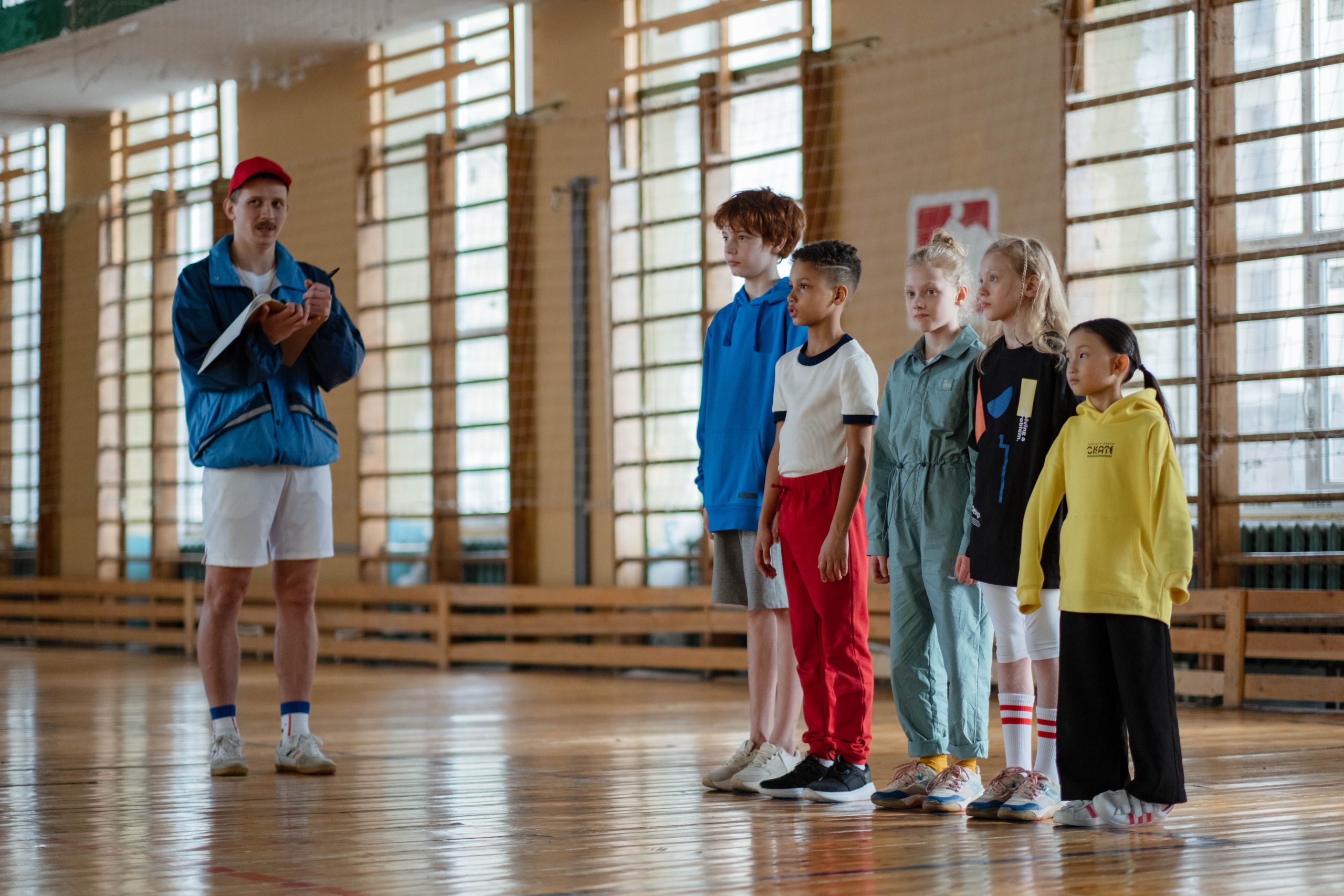
In a school hall the front row copies a pupil leader straightaway, while someone standing off to the side has to wait until their neighbours move. If the side rows start late, rehearsing a more energetic routine won’t fix what they can’t see. First test one simple cue and let pupils choose an approved way to take part. The Straits Times reported on a Bedok Green Primary morning movement session, where student leaders demonstrated from the stage before co-curricular activities. The following plan is a small rehearsal for approved school use. It makes no claim about the school’s current timetable.
Pick one cue and one exercise the teacher already uses
Ask the supervising teacher to choose the movement, the space and any alternatives. The pupils’ job is to make the instruction easy to follow, not choose fitness goals or start a workout themselves. A sensible dry run can use only a raised card and pupils pointing when they notice it. Agree on a start signal, a quiet wait and a clear end. A red and green pair of cards may be familiar, but write “start” and “wait” as well so that colour is not the only distinction.
Plan for a pupil who would rather follow a small version, stay seated or observe. A teacher may assign a role such as holding a cue card, checking visibility or giving the ready signal instead of joining the movement. Do not make pupils disclose any health or access information to classmates. Give the same approved choices to everyone so an option isn’t treated as a penalty for lagging behind.
Test both ends of the room before adding music
With permission, place one observer near the front and one beside the last rows. Ask each to report which cue they could see first. If a stage is not available, don’t put pupils on furniture to gain height. Ask the teacher to position the leader somewhere visible or appoint one approved helper to relay the signal. A relay needs an exact cue to pass on. If both leaders improvise, half the group may act on a different count even though the visual contrast is good.
Try a second check from a seated position or with a small group left off to one side. From higher up, the hand signal might be clear; from the floor it may disappear behind another shoulder. If the problem only occurs at the edge, changing the card might not help. Consider where the teacher wants people to stand or sit and whether a short approved spoken prompt can reach that part of the room. Test one alternative instead of piling on four signals.
Practise the end as carefully as the start
Give a clear finish cue and then wait. The exercise is not finished just because music stopped; one student may need a moment to finish or check what comes next. Under the teacher’s direction, tell the group when they can return to an assigned place or listen for the next instruction. No pupil leader should release rows without the adult responsible for the space. This is especially useful if the group moves from a common assembly to different activities.
Ask observers to describe the cue, not judge their classmates
When the rehearsal ends, compare notes such as “the sign was blocked from the side” and “the word wait was too small”. Avoid scoring pupils on speed or enthusiasm. If music is added later, ask whether the cue still makes sense through the sounds of the hall and choose a way adults can pause the activity. For next practice, leave a brief card that says where the leader stands, what students should see and what to do when the cue isn’t clear. If a new pupil can take the observer role using that card, the team has made the activity easier to join.