Put the artwork on a paper tote before you polish it
A National Day artwork can look clear on a classroom table but be difficult to read after it is printed on a bag. The handle might frame an empty area, a fold might conceal the important detail, or several individual pictures might compete for attention. The Straits Times reported that artwork by students from 22 special education schools was selected and combined into designs for National Day Parade packs in 2024. This school art activity uses a separate design brief and a paper model. It doesn’t reproduce those designs or suggest that the school can submit to an official competition.
Agree on one local idea before drawing
Give the group a simple question: what is one ordinary way neighbours make a place work for each other? A paved path kept clear of bicycles so people can pass, or borrowing a folding chair before a block celebration, can become an illustration. Keep it concrete enough to draw. Ask each artist whether they want to sketch an object, design a background, write a short line or help test what readers see. Nobody needs to provide a personal history to contribute.
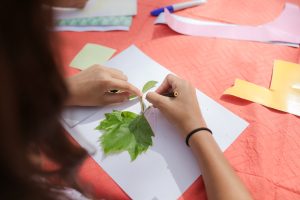
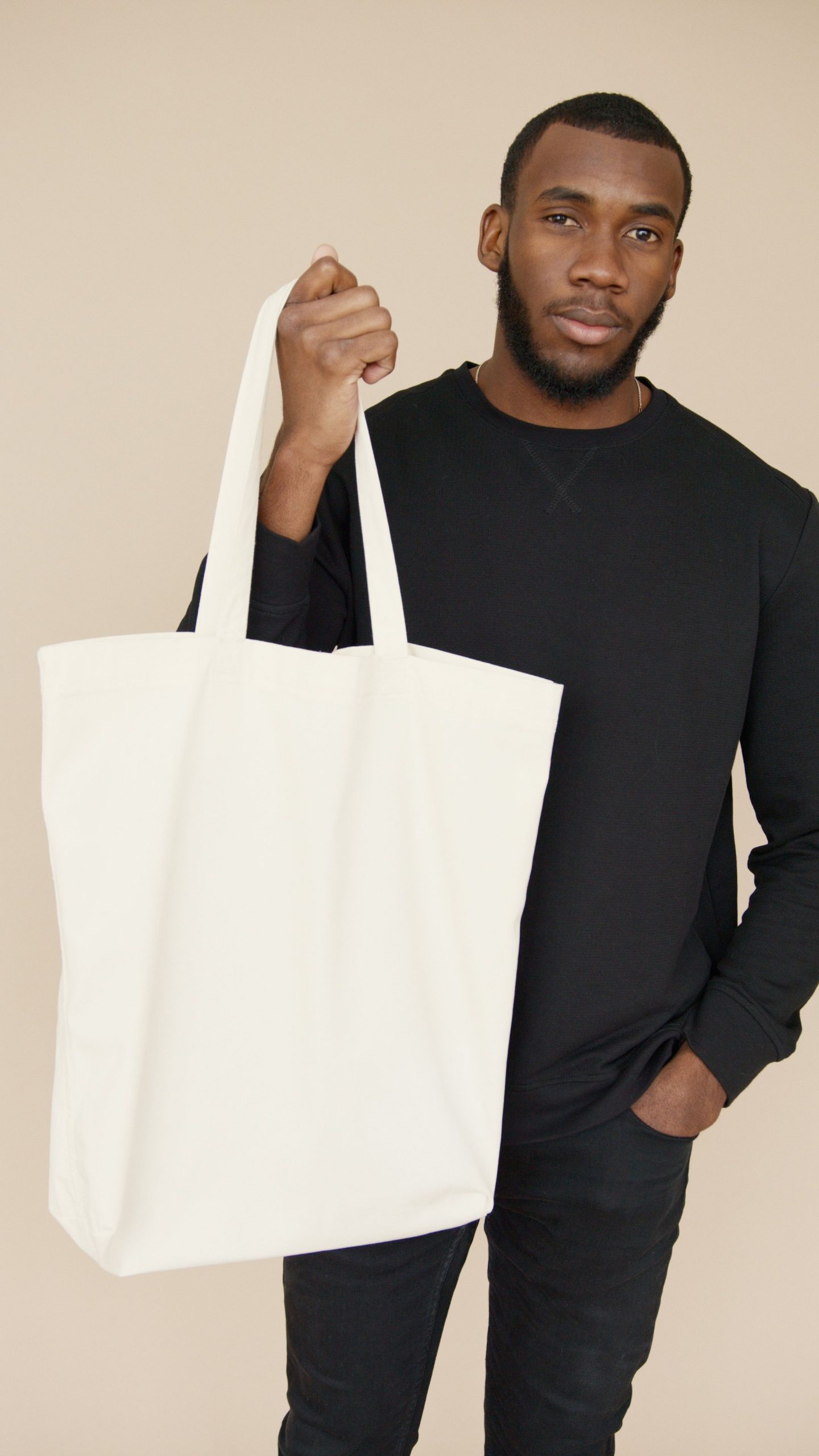
Start with a paper outline of a tote. Draw where the handles, side seams and bottom fold would be. If the class already has an empty bag they can use with permission, lay the paper over it to see where the angles change. There is no need to print on fabric or use heat. The point is to identify how much of the paper will actually be visible when someone is carrying a bag.
Build two versions with the same ingredients
Use the same three shapes in two paper layouts. In one, place the main action near the centre and use the side space for context. In the second, move the main action up but leave enough room between it and the handles. Keep the size and contrast of each individual shape the same for the first comparison. If you also change the colour, it may be impossible to tell whether people noticed the new position or simply the brightest patch.
Try writing a separate small credit card as well. Record which pieces each student is comfortable contributing and whether the approved audience is only the class. Don’t combine someone’s picture with another design or remove an important detail without checking with them and the teacher. The class can test with new drawings rather than reaching for a logo, a publisher’s photograph or a tracing of an official design.
Try the bag from flat, held and folded positions
First ask a classmate to describe what they notice while the draft is on a table. Then hold the mock-up at a comfortable height and ask what action they see without telling them the topic. In the third view, gently fold the bottom edge as it might sit when the bag is set down. If the observer suddenly thinks the chair has disappeared from the story, move it above the fold line instead of adding a sentence a reader will need to lean in to see.
Keep a short record: “Chair still visible in both held views; lower wheels disappear when folded.” An observer who relies on high contrast or a description can choose the format they use. Ask what information would help them identify the main activity. Don’t assume a reader interpreted a group as yours merely because a particular colour was used.
Show the group what changed and why
In the next session, give the current model and the two observations to someone who did not make it. Ask them to point to the main action and identify the fold you worked around. Then let each contributor decide whether the group should use the latest layout or test a second one. A simple prototype everyone can understand and explain is more useful than a finished picture nobody has checked away from the table.