At a first school concert, listen for who carries the tune next
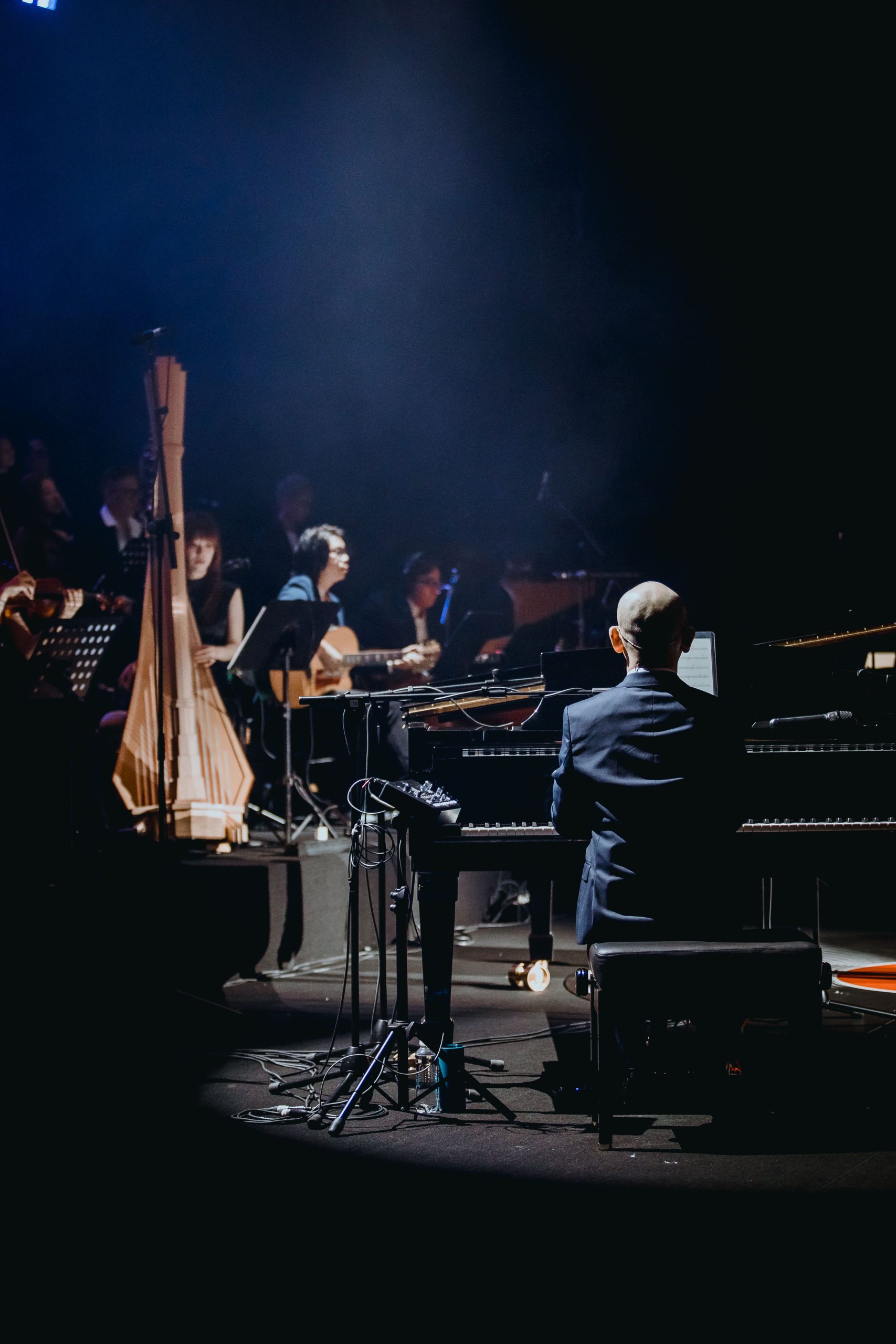
At a live concert, some Secondary 2 students try to note the title, name every instrument and remember when to clap. That can make it hard to hear the music itself. Take one listening question into the hall: when a recognisable tune shifts from one part of the ensemble to another, can you hear what stays the same? The Straits Times covered Deyi Secondary pupils attending a professional concert at Victoria Concert Hall and East Spring Secondary preparing students to listen and take part as audience members. The activity below is a separate exercise for students attending an approved performance, not information about concert access or a current programme.
Practise the question before leaving school
Ask a music teacher for two short approved examples. One might repeat a simple tune twice on the same instrument; the other might keep the tune but give it to a different sound. You need not know the instrument names to hear a change. Listen for a short group of notes that has the same shape or rhythm. Give each version a basic description: thin then fuller, smooth then detached, from nearer the left then nearer the right. These are descriptions of your experience, not proof of the precise source of the sound.
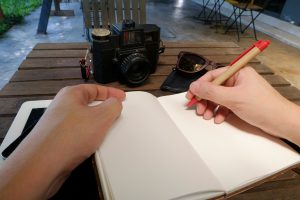
Make a tiny drawing with three boxes: heard a tune, noticed a change and heard what happened next. Use arrows if that is more helpful than words. Leave instrument names blank until you can confirm them. There is no need to take a phone, run an identification app or record players. If the venue or teacher asks students not to write during the concert, hold a single observation in memory and add it when permitted.
In the hall, follow one passage instead of the entire piece
Keep your attention on a short section. If a phrase returns and it sounds deeper, does it still have the same pattern of short and long notes? If another player joins, you may hear both sounds for a while rather than a clean handoff. Note the alternative. Depending on the seat, you might see one player’s movement while hearing someone else more clearly. You can record “I saw the bows move but I think I heard another sound” and ask about it afterwards instead of assuming the two things always match.
Follow the organiser’s guidance for entering the venue, staying quiet and participating. At venues such as Victoria Concert Hall or a school hall, different performances can invite different kinds of response. Don’t treat concert etiquette learned for one visit as a rule for every art form. Ask your teacher beforehand how to follow the exercise if an access option, hearing support or a different seat is helpful.
Compare the notes without voting for the right ear
Back in class, ask two students to describe their moment. One may have heard a change in loudness; another may have noticed the same musical shape much later. Compare where each thinks the change happened. If your teacher can replay a school-approved excerpt or recreate a small example, listen again and find one point you agree on. A disagreement is useful when it narrows the question: was the theme passed on, played together or replaced?
Take the observation into one small music CCA rehearsal
If the teacher approves, have two students use a short, familiar phrase and pass it between approved parts or instruments. Ask a listener to tell you where it moved and why they think so. Change only one feature, perhaps the length of the pause, and try again. Someone who wasn’t able to attend the concert can still contribute by listening to this version. When the group can describe a handoff without guessing a player’s identity or trying to retell the whole concert, the exercise has given them a skill they can bring to another performance.