An upper secondary Social Studies answer about a trade-off should say who benefits, who bears the cost and why those might not be the same people. A cost is not always money. It might be extra travel, fewer usable hours, a harder booking process or the loss of a space that one group depends on. Naming the effect on a particular group makes an argument stronger than simply saying “there are pros and cons”.
In a Singapore secondary classroom, use an invented neighbourhood library to practise this. The example is not a report about a real library or its booking rules. The underlying idea matches the treatment of differing priorities and unequal costs in SEAB’s 2027 G3 Humanities syllabus, but you can use the decision exercise without preparing for that exam.
Compare two options under the same constraint
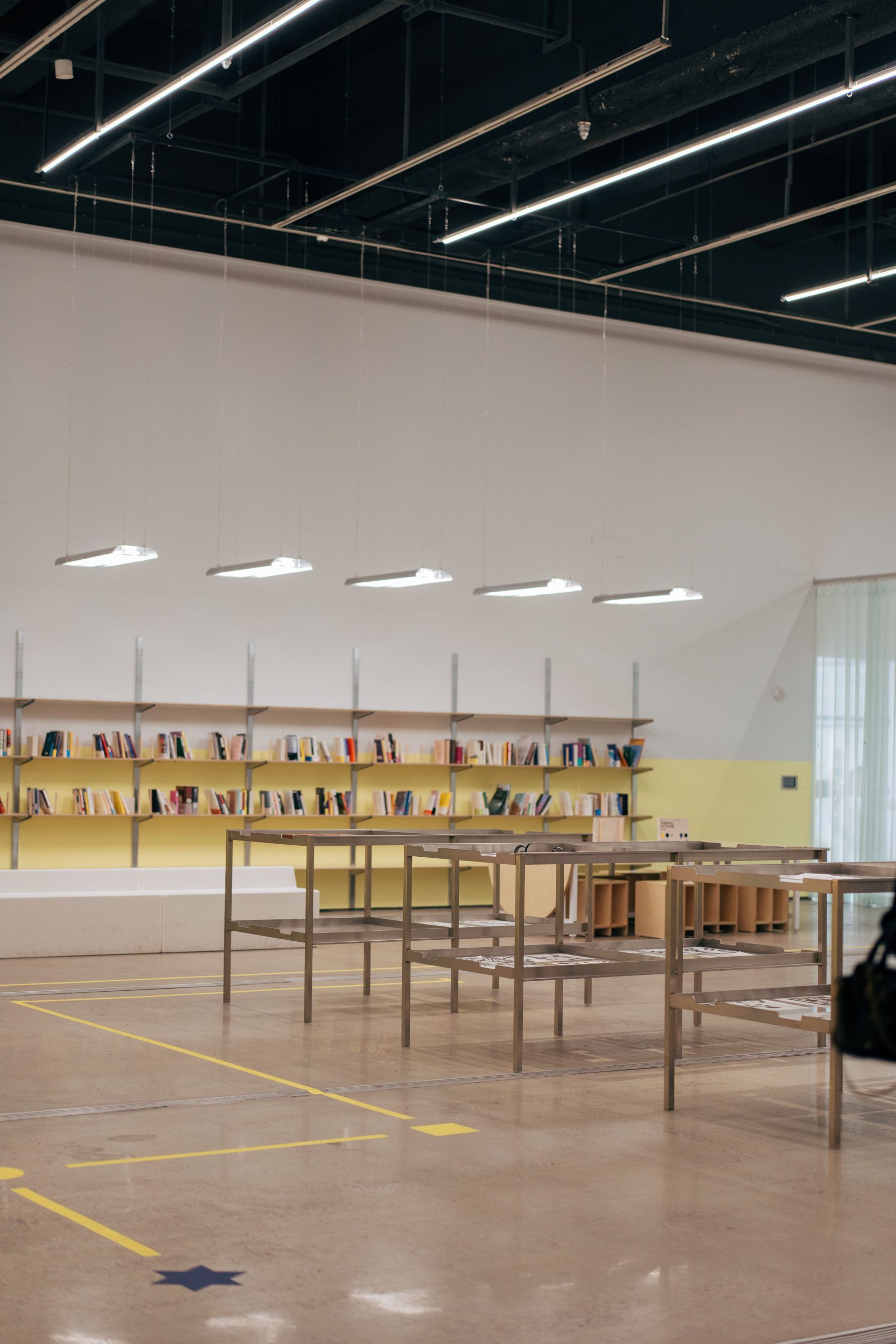
Imagine a library has ten tables and cannot add furniture this term. Eight tables are open for individual work and two can be reserved for groups. The library considers changing to six individual tables and four group tables from 4pm to 6pm on weekdays. The number of tables stays at ten. More group slots must come from reallocating some of the existing space.
Draw a line down the page. On one side, list who might gain under the change: for example, pupils whose projects need face-to-face conversation and who may not have another room to use. On the other, list who might lose: for example, pupils who come alone at 4pm because they cannot get a quiet seat at home. An adult using the library to complete an online form might also lose access to a usable place. The costs differ even within the group of people who use individual tables.
Check who can absorb the inconvenience
Now ask what happens if someone cannot find a seat. A student who lives across the road may return at 6pm. Another who has to collect a sibling at that time cannot simply wait. A group that can meet over a call has a fallback, while a group rehearsing an in-person demonstration may not. Talk about these cases as possibilities, not as facts about everyone in the neighbourhood. A parent’s or student’s ability to change plans is something to check, not presume.
This is why counting supporters may not settle the issue. Ten people who gain a small convenience do not necessarily outweigh two who lose their only reasonable option. Conversely, two students who rely on a group table do not automatically justify doubling the allocation if plenty of group slots already go unused. The better answer describes both the reach and the size of the effect.
Recommend a narrower change and say how to test it
Suppose informal notes suggest group tables are busiest on Tuesdays and Thursdays. A narrower option would be to convert one individual table to group use only on those two afternoons. A good Social Studies paragraph could explain: “This would give project groups one extra table when they are most likely to need it, while leaving seven individual tables available. It still reduces individual space, so staff should record how often someone leaves because a suitable seat is unavailable before making the change permanent.” That explains a choice without pretending the cost has disappeared.
Decide what to record before a trial starts. Reserved tables can look busy on paper even when no one attends, so distinguish bookings from actual use. To learn who struggles to move their visit, use a short anonymous question asking whether they had a workable alternative, rather than recording names or assuming reasons. If the converted table is often empty while solo visitors are turned away, that evidence would weaken the case for reallocating it.
Use the same reasoning on another local decision. Keep the constraint constant, name one group on each side and state what new finding would make you change your recommendation. That last step shows that your answer rests on evidence rather than loyalty to your first idea.