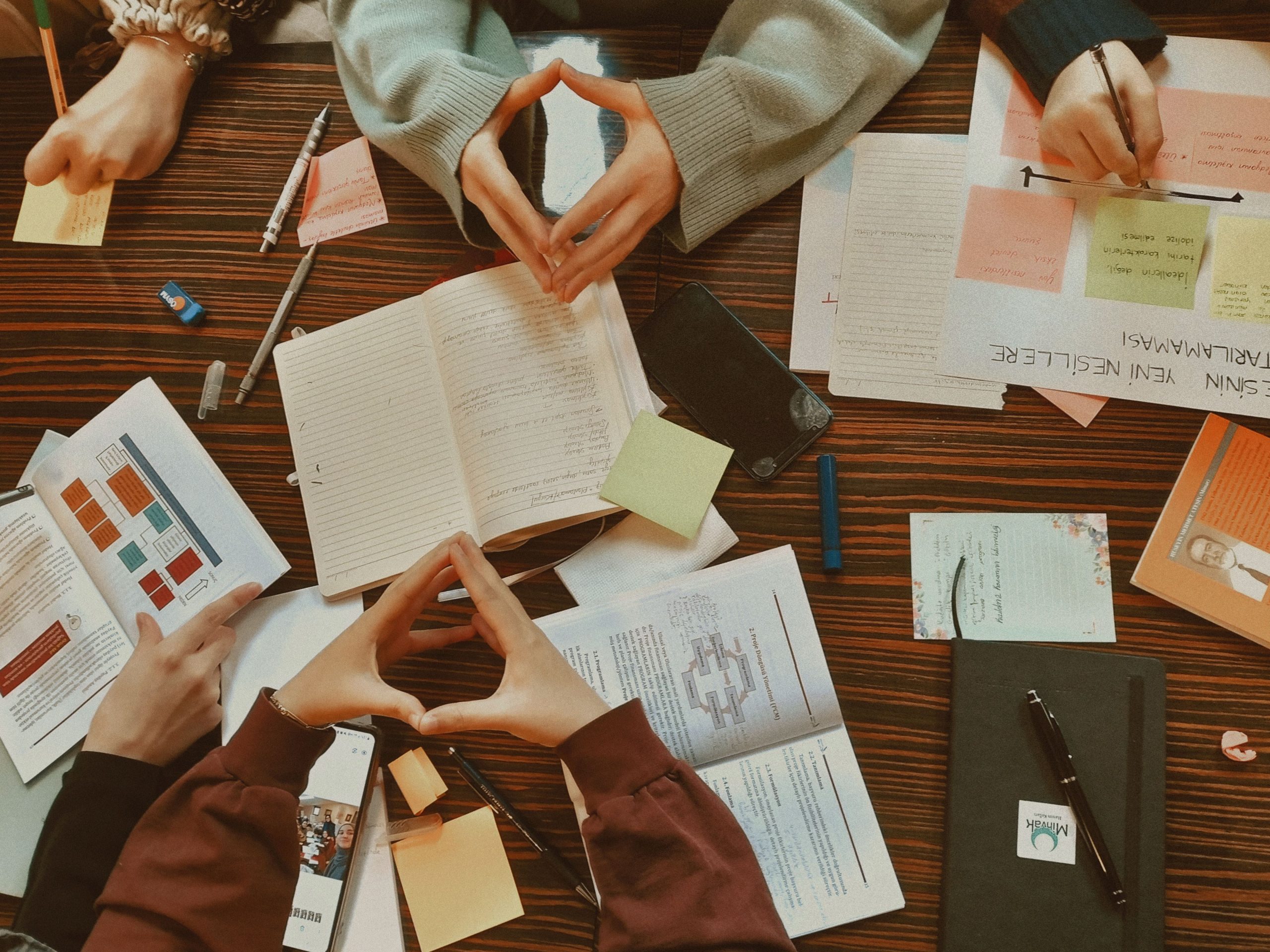
In a school group with a Singapore Sign Language user, don’t ask someone to watch an object change and watch a signed explanation at exactly the same time. Separate the two moments, and make sure the student can choose a contribution that affects what the group does. For a short science demonstration, a few planned pauses can do more than repeating a rushed explanation at the end. Ask what works for the learner and follow the teacher’s arrangements rather than guessing the type of support they use.
Find where the directions compete with the demonstration
Imagine a Secondary 1 group observing which way a suspended paper strip moves when a teacher switches on a small fan. The instruction is to watch the first movement, then say which way it bent. If the teacher gives the next instruction while the fan starts, students following signs or interpretation may miss the first movement. Move the explanation before the action, let everyone look at the strip, then pause before asking for observations. This lets students direct their attention in turn instead of asking them to choose what to miss.
A Straits Times explainer describes Singapore Sign Language (SgSL) as a language with its own grammar, in which hands, movement and facial expression carry meaning. It’s not English with gestures. The Singapore Association for the Deaf’s guide to sign language and sign systems also explains the local distinctions. Not every Deaf or hard-of-hearing student communicates in the same way. Ask what the student prefers and what supports the school has agreed to provide; a handwritten note is not a universal substitute for signed access.
Try a two-part cue before the object moves
In the fan example, the teacher first sets a visible sequence: watch for the first movement, write or share an observation, then compare it with your partner. Give everyone time to receive the instruction. Next, signal the demonstration is about to begin in the agreed way. After switching on the fan and showing the movement, turn it off or pause the demonstration before someone explains what they saw. The teacher manages any tools or materials and confirms safe arrangements; the cue is about when to look, not a change to handling equipment.
Check the classroom from the students’ seats. Can someone see the sign language user or interpreter, the teacher and the object without turning across the room every few seconds? Display equipment and papers so they don’t hide faces or hands. If a partner speaks while looking down at the object, remind them to get the group’s attention in the agreed way before speaking or signing. Avoid touching another student to draw attention unless you know they have agreed to that method.
Make the pupil’s observation matter to the next trial
After the first movement, ask each partner what they noticed. Someone may point to the side they saw it move towards, note a direction on a card or respond in their preferred language. Let the group confirm what they understood without supplying a new answer. If a student saw the strip flick left before moving right, that difference could change what everyone watches for on the second trial. Their contribution is not merely being present while the others finish a chart.
Check the sequence on the next lesson, not only on a good day
Ask whether each student got the instruction and could see the critical moment. If the answer is no, note when the overlap happened, for example while the teacher shared the next target and simultaneously restarted the fan. Change one beat of the lesson and try again. Something as small as pausing before the action can help, but problems that recur need the teacher and applicable support staff to review them with the student. Measure success by whether the student could observe the same event and contribute their own finding, not by how little the schedule had to change.