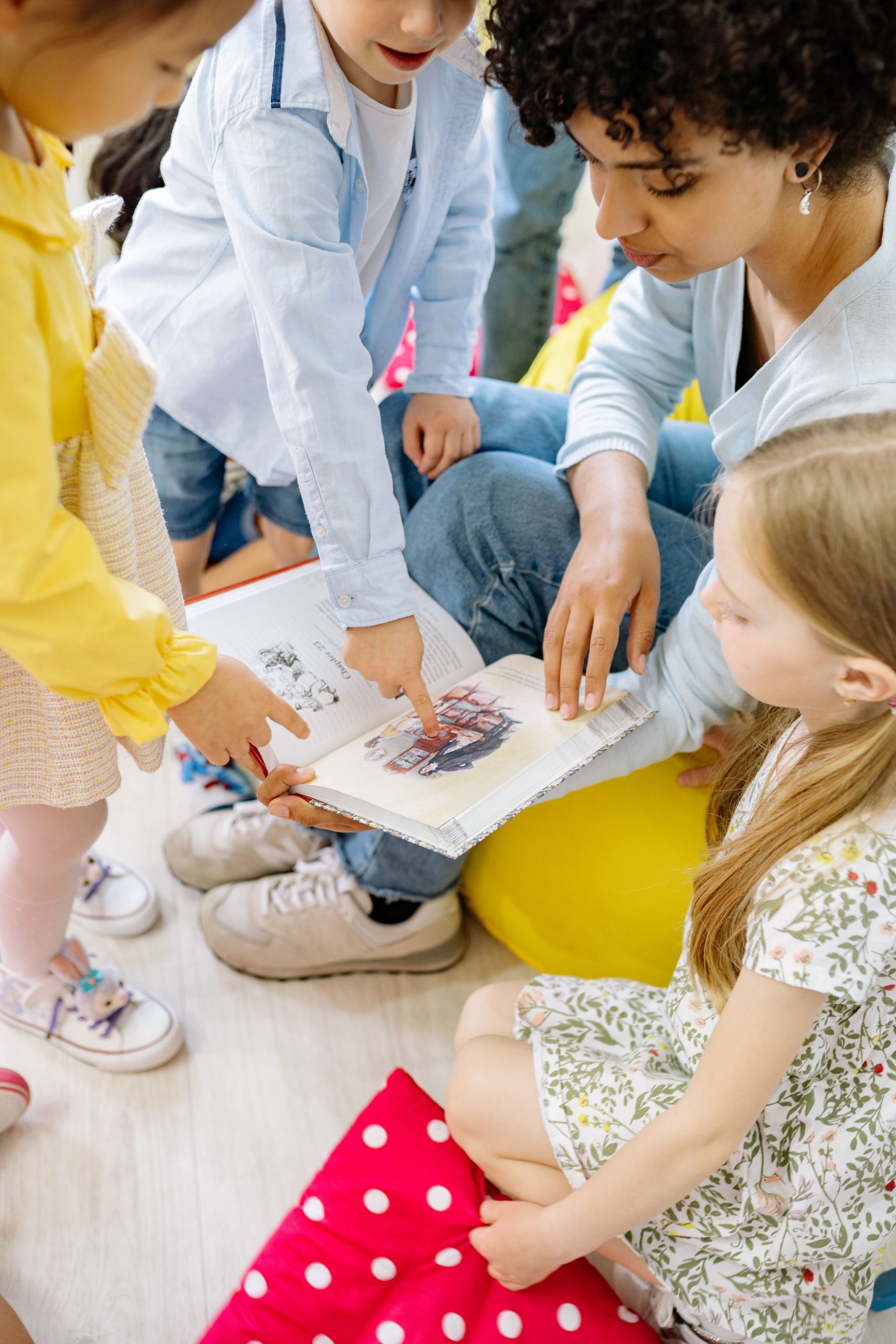
When a children’s reading group meets again next week, a different volunteer should be able to pick up something the children found interesting last time. Leave one shared question and a way to revisit it. Don’t write a report about which child was slow, quiet or inattentive. For a Singapore community reading group, a useful handover is short enough for a new volunteer to read before the children arrive and specific enough to make the next session feel connected.
Write down what the group was trying to find out
The Straits Times reported at the twentieth anniversary of the National Library Board’s kidsRead programme that reading sessions have taken place at venues including schools and community clubs, and that some former participants returned as young volunteers. The report also described activities adapted to different reading levels. The method here is an original handover you can try through an authorised reading group. It isn’t a statement about how kidsRead volunteers are trained or how to join the programme now.
Imagine a group of younger primary pupils hears a story about a pigeon that picks up objects. Near the end of the session, several children wonder why it carried a button but ignored a leaf. Put that question at the top of the handover. Add the title and one place in the book where readers can check it. A new volunteer who has only the question and the page can invite children to look at the picture again instead of summarising the whole story before they arrive.
Record an activity choice that made room for more children
Note what helped the group take part, using terms about the activity. “Children could point to the picture if they didn’t want to speak” is useful. “There were three shy children” is neither precise nor necessary. If two children talked at once when you asked for predictions, mention the change you tried: let everyone make a small drawing and then invite one comment at a time. Keep the note about the activity, not about labelling individuals.
A volunteer may need to know whether the group has access to a usable copy of the book. If the original was borrowed, say who can confirm where it is now through the organiser’s process. If not everyone could see the illustration, leave a short description of the relevant detail as a prompt, or ask the coordinator which accessible ways of showing it are approved. Don’t copy the whole book or upload someone else’s reading aloud to a personal account just to make the handover easier.
Give the next reader an easy way to begin
The new volunteer could start with a question: “We were wondering why the pigeon kept the button. Did anything on this page give you a clue?” A child who missed the earlier session can still look and join the conversation. If the book isn’t available, bring back the question using another permitted picture or a simple drawing. Say what you’re doing rather than pretending it is the missing page. The session has continuity because you use the same question, not because all the details happen exactly as before.
Keep the planning note in the organiser’s approved space. Leave out children’s names, contact details, photos and personal information. Where a participant needs individual support, pass that through the group’s responsible staff or existing confidential arrangement, not a general handover visible to every volunteer.
Decide at the end whether to keep the thread or change it
Invite the children to pick a question for next time. In the pigeon example, they may want to talk about what they would collect instead of asking again about the button. That’s a useful move rather than a departure from the plan. Write down the newer question only if it still gives the next group something they can do. A good handover helps another reader start with the children’s curiosity and then listen for where they want to go.