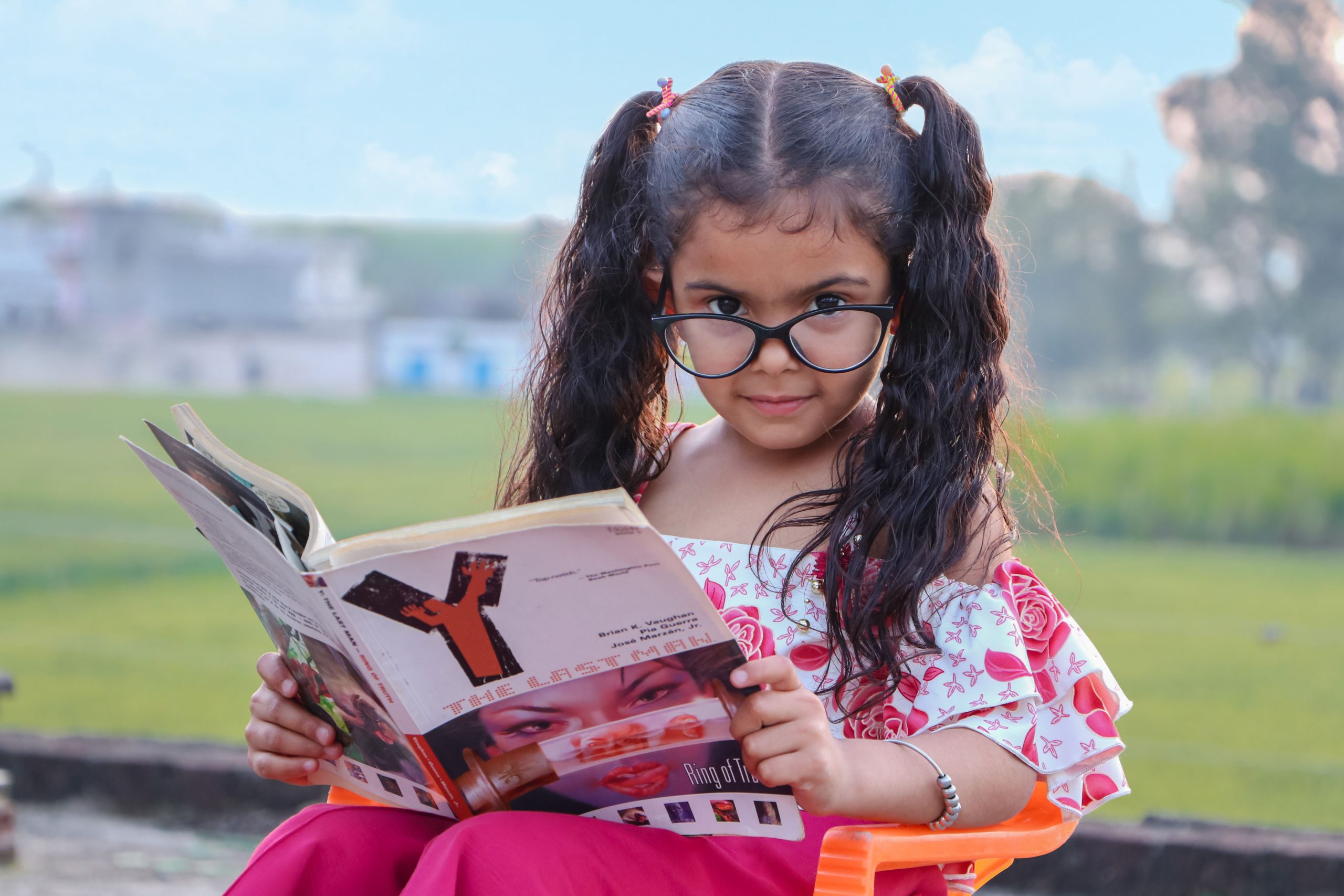
If a preschooler has a Tamil magazine or activity page in front of them, they don’t have to finish every puzzle to use it well. Let them choose one picture, say or show what they notice, and decide what to add. Read a short caption or line if it’s useful, then connect the words to the drawing or action. Five focused minutes can give a child a reason to use one word again without turning the magazine into another worksheet.
Choose a small piece from a publication the child is allowed to use
When Tamil Murasu launched Balar Murasu in 2017, The Straits Times reported that it included activities such as colouring, poems and songs, with local places and foods among the examples. That launch report does not establish where families can get the same issue or what it offers today. You can use a Tamil children’s magazine you already have, a school-approved activity page or a drawing made together. If a page belongs to a library or someone else, draw beside it instead of writing or cutting into it.
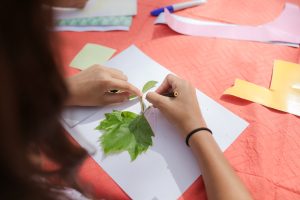
Choose a picture connected to a place or action your child can imagine. It could be a path to a playground, a basket ready for a picnic or someone looking for a seat. The source material does not have to describe an actual place you are going. Ask which detail they want to keep. Giving them a choice about the picture often tells you more about how to begin than starting at the first page because it appears in that order.
Add one detail that changes what the picture means
Imagine a child chooses an illustration of two people with a picnic mat. One has already sat down. Let your child add one item in a separate drawing, such as an empty cup or someone’s shoes. Invite them to tell you who the item might belong to. If you know the relevant Tamil word or have checked it with a fluent speaker or teacher, use it when responding. A child can point, draw or reply in a language they are comfortable with; you can still model the Tamil word at the moment its meaning is clear.
If the publication has a poem, choose a short part after reading the whole piece yourself. Look for a word that helps you talk about the chosen detail. There’s no need to ask the child to recite the poem. If you don’t know what the text says or how it is pronounced, don’t treat automatic translation as proof. Keep the child’s question, and check the word before the next shared reading. An enjoyable exchange still counts when an unfamiliar phrase has to wait.
Use the magazine again without repeating the same activity
On another day, draw a new scene. Instead of a picnic, the cup might be on a table after a family meal. Ask which object from yesterday’s drawing has come back and what is different this time. If they remember the picture but don’t yet understand the word outside it, say it again as you point to the new scene. If the child already knows the object name, invite a comment about what someone is doing with it rather than moving straight to more names.
Keep one choice the child can use next time
At the end, ask whether the child wants to keep the drawing, find a new picture or ask someone in the family about the object. You don’t need to keep a score of how many words they repeated. A useful note might say, “We talked about a cup in two pictures; the child asked what goes in it.” Next time, a teacher or caregiver can build from the question rather than guessing what page to assign. The magazine supplies a starting point, but the child’s choices tell you what is worth saying again.