Thinking About Leaving Singapore’s Integrated Programme? Start With the Year 3 Check-In
“My grades are slipping” and “I no longer want the qualification this programme leads to” are different reasons to reconsider a school route. Yet both can sound like “I want to leave” at the end of a hard term. If you are in Year 3 of Singapore’s Integrated Programme (IP), do not dismiss either concern. Before deciding what to ask your school, work out which problem you need help solving. One might respond to a different way of getting feedback; the other calls for checking what route actually leads to the next course you want.
Write down the qualification, not just the school name
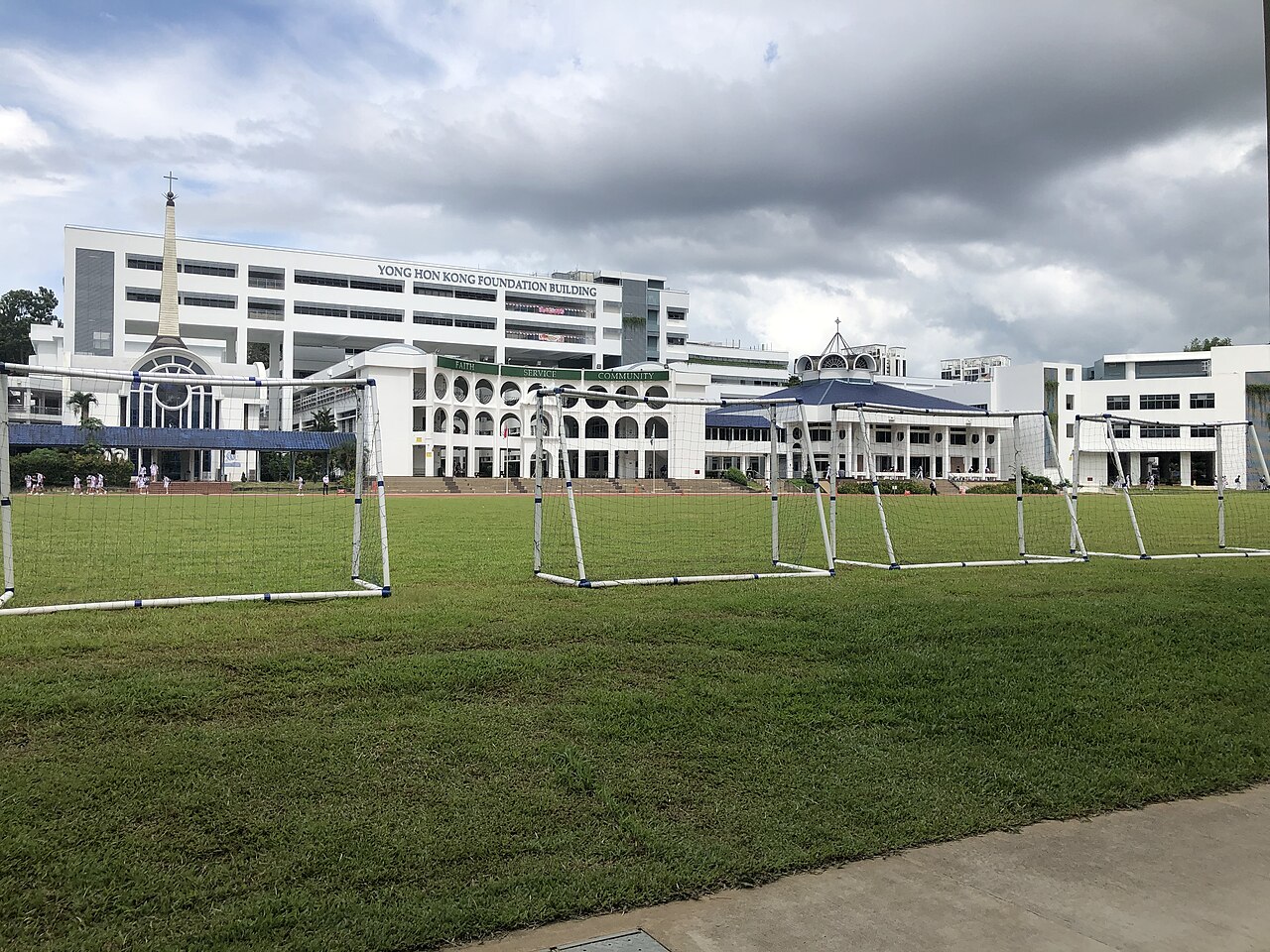
At St. Joseph’s Institution, for example, the current programme pages distinguish a six-year IP leading to the International Baccalaureate Diploma Programme and a four-year Secondary Education Certificate (SEC) route. That is an example from one dual-track school, not a diagram for every IP school. Other schools can have different endpoints. The Singapore Examinations and Assessment Board identifies 2027 as the first SEC examination year, so if you are looking at an older school presentation or page labelled O-Level, ask which qualification applies to your own cohort before reading the rest as current advice.
On a single sheet, fill in four boxes: your programme now, qualification if you continue, qualification under any route the school says is possible, and the later course you care about. Put a question mark wherever you have only a guess. The most important box is often the last one. “I would like to go to a polytechnic” describes an institution type. “I want to explore a diploma that involves making and testing physical prototypes” is a direction you can investigate. Look up two course descriptions and compare one actual module from each before deciding they are the same option.
Check what the hard term is telling you
Imagine Jay, a fictional Year 3 student, is considering a design diploma. He likes making prototypes in CCA but has missed two deadlines for written group tasks. At dinner he concludes that he should leave IP. His first useful move is to look at the two late submissions. One was delayed because his group never agreed who was checking references. In the other, Jay could explain his idea out loud but started the written section too late to get feedback. Neither example shows, by itself, that the current qualification is wrong for him.
Jay asks his teacher whether he can send one rough paragraph for comments before the next submission. He agrees a specific check-in date with his group, then keeps his interest in design on a separate track. He spends one Saturday rebuilding the fragile hinge on his prototype and notes what he liked: changing a design and quickly seeing whether it worked. If his schoolwork becomes more manageable and the design interest remains, both findings matter. If he mainly enjoyed working alongside friends, that points to a different conversation about the course.
Bring two sets of questions to the school conversation
First, ask what can change without a move. Would a short feedback checkpoint help? What is the school’s usual process for reviewing progress over the next term? Second, ask what the school would need to verify before it could advise on a different programme. Is there even a route for a student in this year group? What assessment, subject coverage or timing would be different? Where can the family check any implications for the specific post-secondary course?
Parents can help by recording the answer in three lines: confirmed, still unknown and due next. Let the student lead with one real incident and one question. Avoid promising a switch at home before the school confirms that it can consider one. Equally, avoid treating the old choice as binding merely because it took effort to get in. A useful meeting may end with a plan to stay and test support, or with a named next step for investigating a change. It does not need to end with a verdict.