When Did Singapore’s MRT Open? Read an Old Headline Without Mistaking a Preview for Service
Imagine two students researching Singapore’s first MRT services. One finds an October 1987 newspaper headline about people getting a first look at stations. The other finds an official record saying a train service began in November. They think one source must be wrong. Before choosing between them, check what each actually describes. Seeing inside a station and travelling on a passenger train are different events, even when they involve the same new transport system.
Find the newspaper issue date, then read the key phrase
Open the National Library Board’s NewspaperSG index for the 11 October 1987 issue of The Straits Times. The index includes an item about crowds turning up to get their first look at MRT stations. Record the issue date and paraphrase the headline. In your notes, put the words “first look” next to the date. That wording points to a visit or preview; by itself it does not establish that normal passenger operations started that day or that a train was in service.
NewspaperSG: The Straits Times issue dated 11 October 1987
A newspaper can report an event that happened earlier than its issue date. Do not copy the newspaper date directly into the event date column. If the full article is available to you, look for wording such as “yesterday” and resolve it against the issue date. If all you can see is an index entry, write that down: your source supports what was reported in that issue, but it does not necessarily pin down the day the event took place. It is better to leave a date uncertain than to turn it into a guess.
Check what the official transport record dates
The Land Transport Authority’s history identifies the first operating stretch as five stations between Toa Payoh and Yio Chu Kang, and its historical publication dates the start of operations on that stretch to 7 November 1987. Make a second row on your page with “passenger operations began” as the event, and the relevant official source beside it. The key difference is not that one source is old and the other is newer. It is that one is useful for learning about a preview being reported, and the other directly identifies the start of operations.
Land Transport Authority: North-South Line history
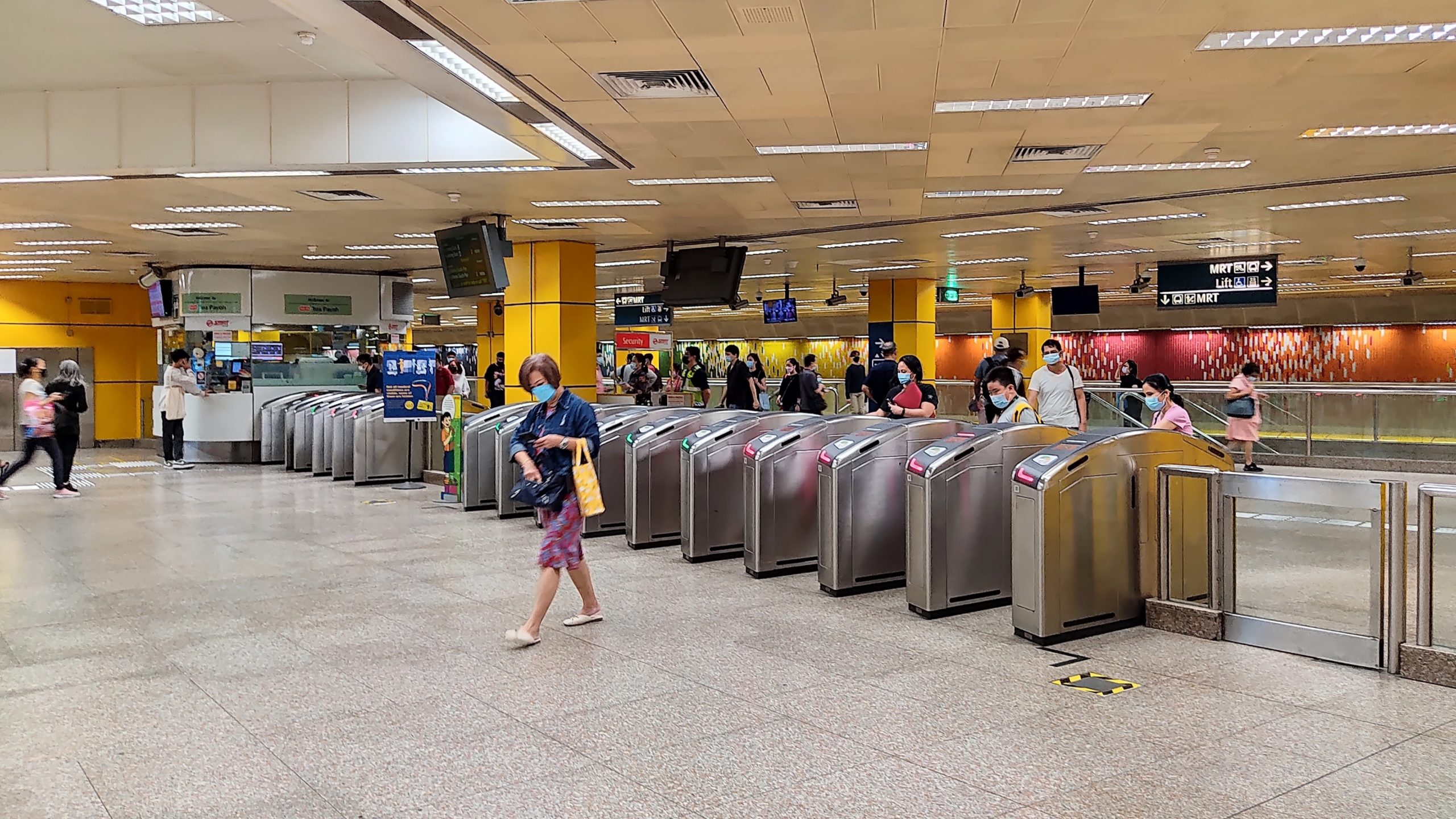
Use the wording “first stretch” in your answer. It tells a reader that not all of today’s MRT was open then. A recent photograph of the Toa Payoh concourse can show the station’s appearance when it was taken, but it cannot show what greeted those first passengers. If you add a modern photo to a class presentation, label it with its actual date or as a modern view. Do not put it beside a 1987 heading without a caption.
Make a two-sentence answer, with the sources kept separate
Try this: “The newspaper issue dated 11 October 1987 reported people getting a first look at stations. The Land Transport Authority records that passenger operations on the first stretch, between Toa Payoh and Yio Chu Kang, began on 7 November 1987.” Then ask a classmate whether the answer makes clear which date is a newspaper issue date and which is an event date. If the distinction is unclear, give each row one verb: “reported” for the index and “began” for the service record.
Use the same test with other Singapore history topics. A building can be shown to invited visitors, opened to the public and formally inaugurated on separate days. Before writing that two sources disagree, define the event each source actually dates. That is what turns a date you have found into evidence you can use.
For one more comparison, place the dates on slips and write the source name on the back. Ask a partner to put the slips in chronological order without reading the source names. Then ask what would change if the prompt said “When did people first hear about the MRT?” Neither date answers that broader question by itself. It would require looking for earlier announcements and being clear about which people the question means.