Give beginners a way into a polytechnic culture club without an audition
A student stops at a culture club booth because a performance looks interesting, then leaves because it is unclear what they can do without joining the cast. Offer one short activity someone can try or watch before they sign up. The Straits Times reported that Nanyang Polytechnic’s K-Wave Club includes peer-led singing and dance alongside sessions about games and culture, and that members could take part without having to perform. The plan below is a separate orientation format for student organisers, not a current guide to joining that club or a reproduction of any of its activities.
Choose one thing a visitor can understand at a table
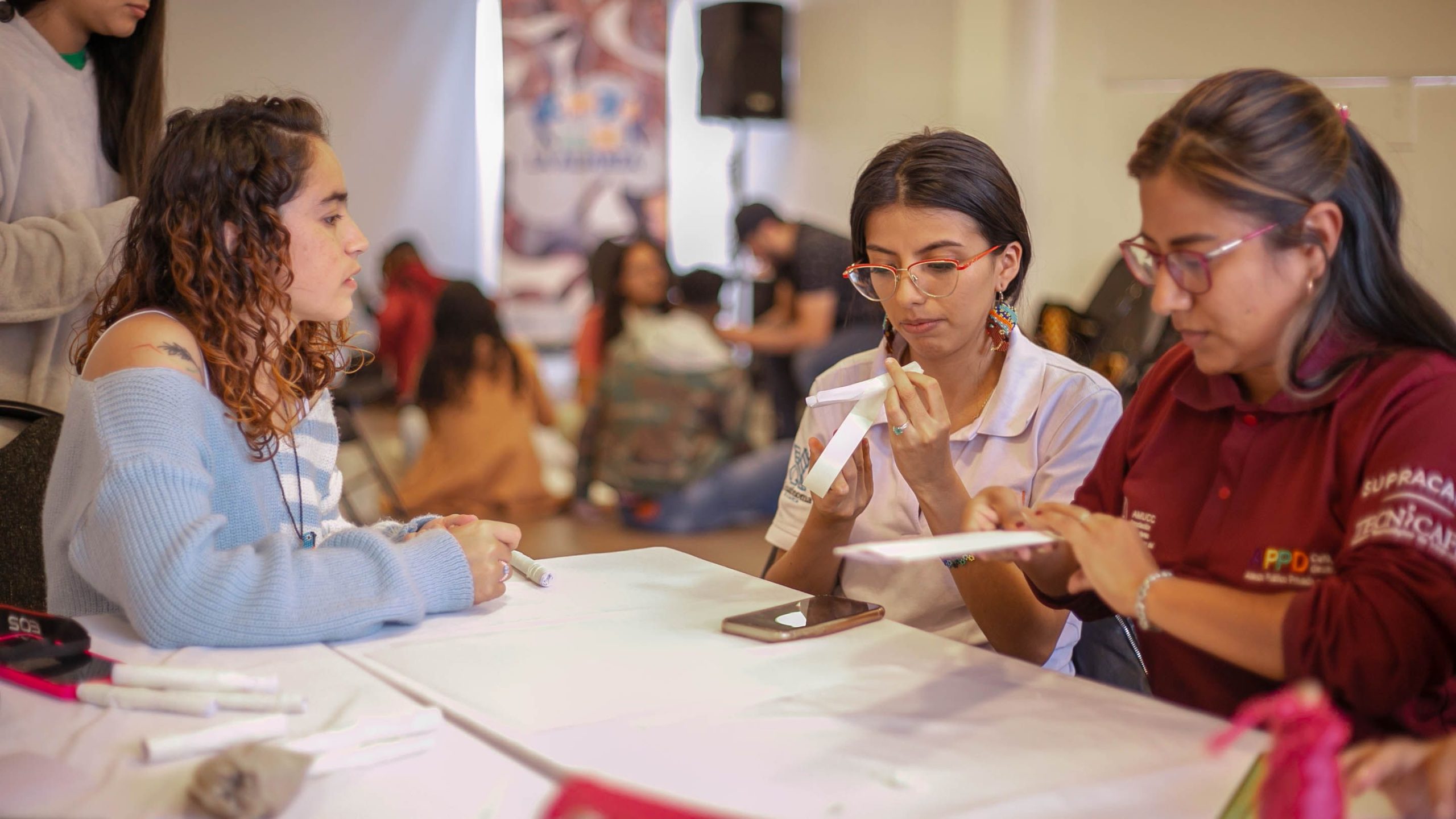
For a Korean culture club, a table might display three teacher-checked items: a photo of a craft object, a folded paper example and a short card explaining when the object might be used. Students can examine an item, compare two labelled photographs or listen to a peer explain one feature. You do not have to teach a dance or serve food to introduce a club. If organisers are not sure about a detail, mark it to verify with an adviser rather than presenting a memory from a video as typical of every family.
Give people three choices that are genuinely equivalent: watch, try or ask a question. The watch option should not lead to an organiser asking again until somebody gives in. A table host can model a brief comparison or offer a paper example without making visitors speak into a microphone. Make the materials readable from different positions and avoid relying only on colour. If a photo is not cleared for public display, use an original sketch with a short description.
Train two hosts to give the same invitation
Have one host explain the activity in two sentences and another take over at the next group. They should both be able to say what visitors will do, whether participation is optional and where they can ask about the club later through the institution’s approved channel. The hosts don’t need identical wording. They do need to avoid making different promises. If one person says visitors are welcome to join all sessions and another says there are selection requirements, check the current club information with staff before repeating either claim.
A practice visitor can arrive while the host is helping someone else. Can they read the table card and choose to observe without stepping into another person’s space? If they keep picking up the wrong item, make the starting piece easier to recognise. If they don’t know how long a short activity takes, give a realistic length and show where they can leave it. Don’t place barriers around the table just to make the display more photographable.
Speak about cultural examples without making one person a representative
Use clear labels and acknowledge when a practice has variations. Avoid asking a visitor with a Korean name or family background to verify the card on the spot. If they volunteer a different interpretation, thank them and check the wording later with the source and adviser. A club can record which explanations need correction without turning contributors into spokespeople. Save the credit of any creator whose material the club has permission to use, but don’t require visitors to leave a name just to watch.
Keep the beginner option after the showcase
At the next meeting, review one part of the table that new visitors used and one they missed. Perhaps people looked at the folded example but didn’t realise they could ask about it. Edit that prompt, then try it with a classmate who wasn’t at the fair. A welcoming club doesn’t have to promise a performance spot. It does have to explain an ordinary way to join the learning when the stage lights are off.